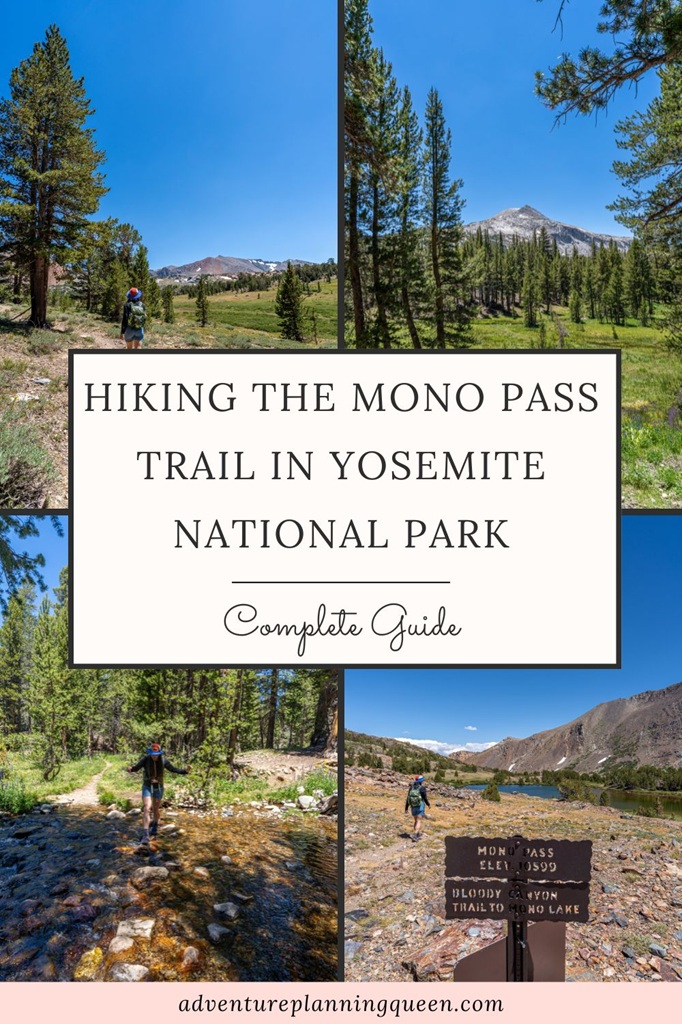
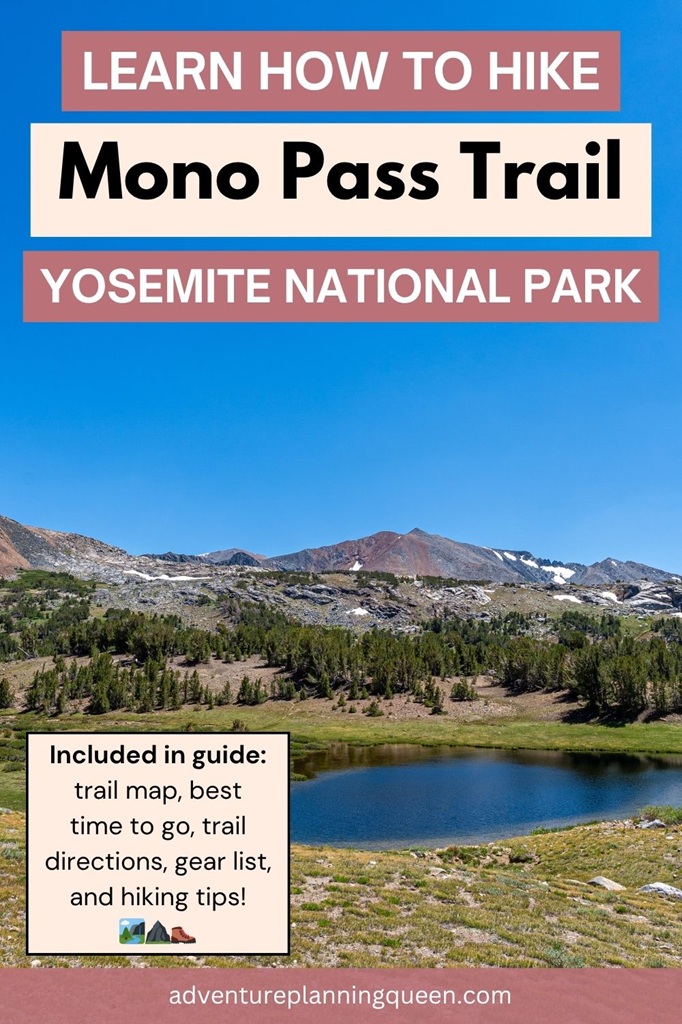
Follow in the footsteps of Yosemite’s first people along this historic trans-Sierra route once used for migration and trade between the Mono Basin and Tuolumne Meadows. Later, miners followed the same path in search of gold.
The Mono Pass Trail begins with a gentle climb from the parking area, winding through lush meadows and across rushing creeks. After reaching the junction for Spillway Lake, the path grows steeper as it ascends toward Mono Pass at 10,600 feet.
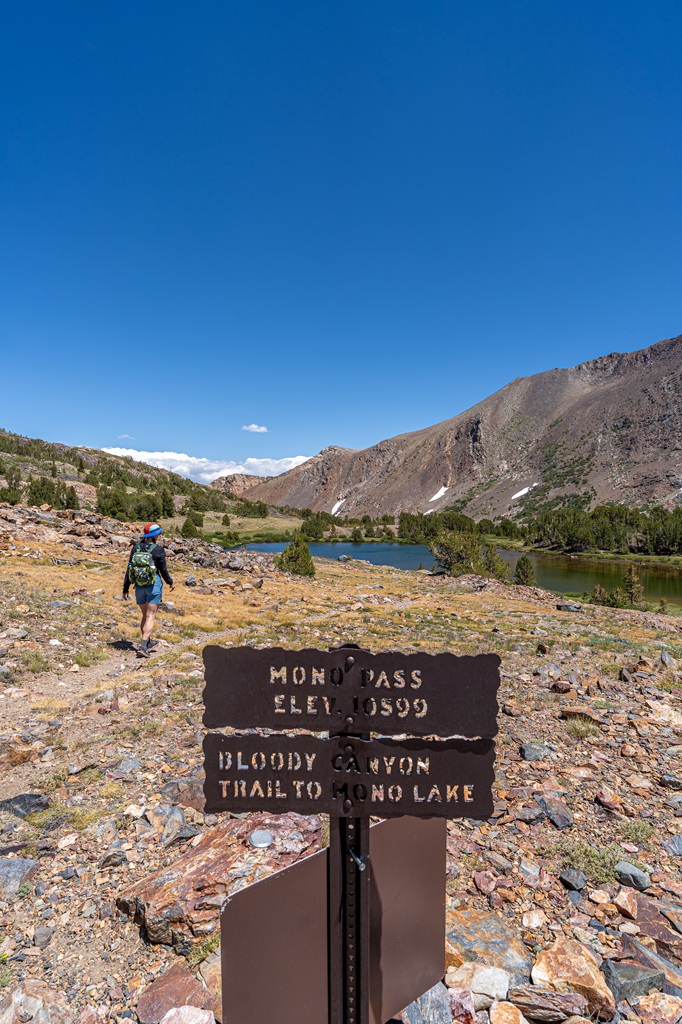
At the top, hikers are rewarded with breathtaking alpine scenery. From the pass, you can continue farther to explore the serene Upper and Lower Sardine Lakes.
This is one of my favorite hikes in Yosemite! It has history, jaw-dropping views, and a more serene vibe as compared to other trails in the park.
Don’t skip out on this hike when visiting Yosemite National Park! 😉
Affiliate Disclaimer: Some links on this page may be affiliate links, meaning I may earn a small commission at no extra cost to you. As an Amazon Associate, I earn from qualifying purchases. Thanks for supporting the blog! 🫶
- Mono Pass Trail in Yosemite: Trail Stats + Map
- Mono Pass Trailhead and Parking
- Best Time to Hike the Mono Pass Trail in Yosemite
- Mono Pass Trail in Yosemite: Step-by-Step Directions
- More Hiking Routes via Mono Pass Trail
- Tips for Hiking Mono Pass Trail (and Bloody Canyon Trail)
- What to Bring to Yosemite
- Conclusion
Mono Pass Trail in Yosemite: Trail Stats + Map
🥾 Mono Pass Trail Stats
Starting Point: Mono Pass Trailhead
Length: 8 miles roundtrip
Elevation Gain: 1,180 feet
Difficulty: Moderately challenging
Hiking Time: 4 to 5 hours
Route Type: Out-and-back
Pet-friendly? No, pets are not allowed
Hike Features: Old miner’s cabins, incredible views along Mono Pass, and Summit Lake
🗺️ Mono Pass Trail Map
🎟️ Yosemite Entrance Fee and Reservations
Entrance to Yosemite National Park costs $35 per vehicle for a 3-day pass. However, if you have the America the Beautiful Annual Pass, your entry is free!
For those who love exploring national parks, investing in the Annual Pass is a smart choice. At just $80, for U.S. residents, it grants you access to over 2,000 federal recreation sites across the country!
FEE UPDATES! Beginning January 1, 2026, non-U.S. residents (without an annual pass) will pay a $100 per person in addition to the standard entrance fee. The Annual Pass for non-US. residents will cost $250.
Reservations are not required at this time (updated January 12, 2026).
Mono Pass Trailhead and Parking
The Mono Pass Trailhead is located about 6.8 miles east of the Tuolumne Meadows Visitor Center and 1.4 miles south of the Tioga Pass Entrance along Tioga Road.
The parking area can accommodate around 12–15 vehicles, with a few additional roadside pullouts available if the lot is full.
The trailhead sits at an elevation of approximately 9,700 feet and is equipped with a vault toilet and bear lockers for food storage.
✨ READ THIS: Best Hikes in Tuolumne Meadows and Tioga Pass
Best Time to Hike the Mono Pass Trail in Yosemite
🪻 Late June to Early July: Snow from the previous winter often lingers into early summer, especially at higher elevations.
If Tioga Road is open by this time and you’re prepared for possible snow along the trail, then this could be a great time to hike the Mono Pass Trail!
☀️ July to August: These months are the most popular for hiking due to warm weather and clear trail conditions.
Expect more crowds, especially on weekends. And be aware of afternoon summer thunderstorms!
⚠️ Always check the weather forecast before heading out.
🍂 September to Early October: This is an ideal time for those seeking fewer crowds (as compared to peak summer crowds) and cooler temperatures.
The weather is generally dry, and the crisp fall air makes for excellent hiking conditions.
However, be prepared for cooler mornings and evenings, and always check for early snowstorms in late September and October.
🌨️ November to May: Tioga Road will be closed during this period due to snow. I’m sure there are adventurous winter explorers who are able to access Mono Pass but I’m not at that level yet. 😅
If Tioga Road is open during this time and there’s snow along the trail, make sure you are prepared with the appropriate winter gear.
❄️ Yosemite Winter Guides
- Ultimate Guide to Visiting Yosemite in Winter
- The Only Yosemite Winter Itinerary You Need!
- Where to Stay in Yosemite in Winter: 15+ Best Lodges, Hotels, and Cozy Cabins
- The Ultimate Yosemite Winter Packing List
- 20 Best Yosemite Hikes in Winter (Guide to Snowy Adventures)
- 18 Best Yosemite Winter Activities You Can’t Miss!
- Yosemite Firefall: A Complete First-Timer’s Guide
- Beginner’s Guide to Visiting Mariposa Grove in Winter
Mono Pass Trail in Yosemite: Step-by-Step Directions
Begin your adventure at the Mono Pass Trailhead along Tioga Road. The trail is well-marked, easy to follow, and starts off gently as it winds through a beautiful subalpine forest.
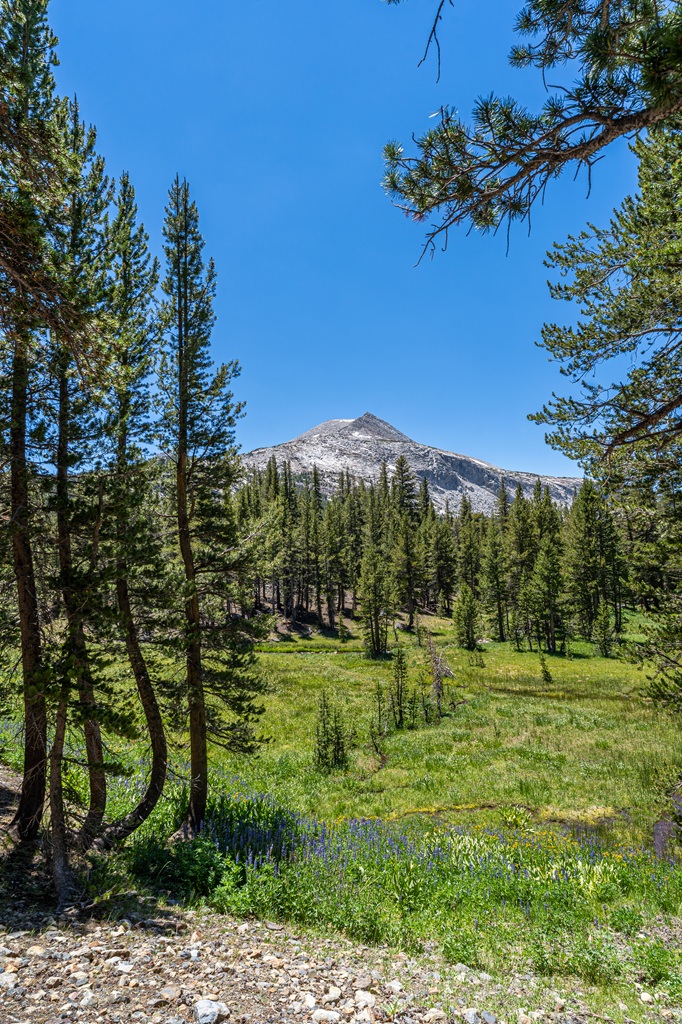
For the first few miles, you’ll mostly be under tree cover, but the forest periodically opens up to reveal stunning views of meadows and distant peaks.
At around 0.4 miles, you’ll encounter a few stream crossings, the first one is an unnamed stream and the second one is called the Dana Fork.
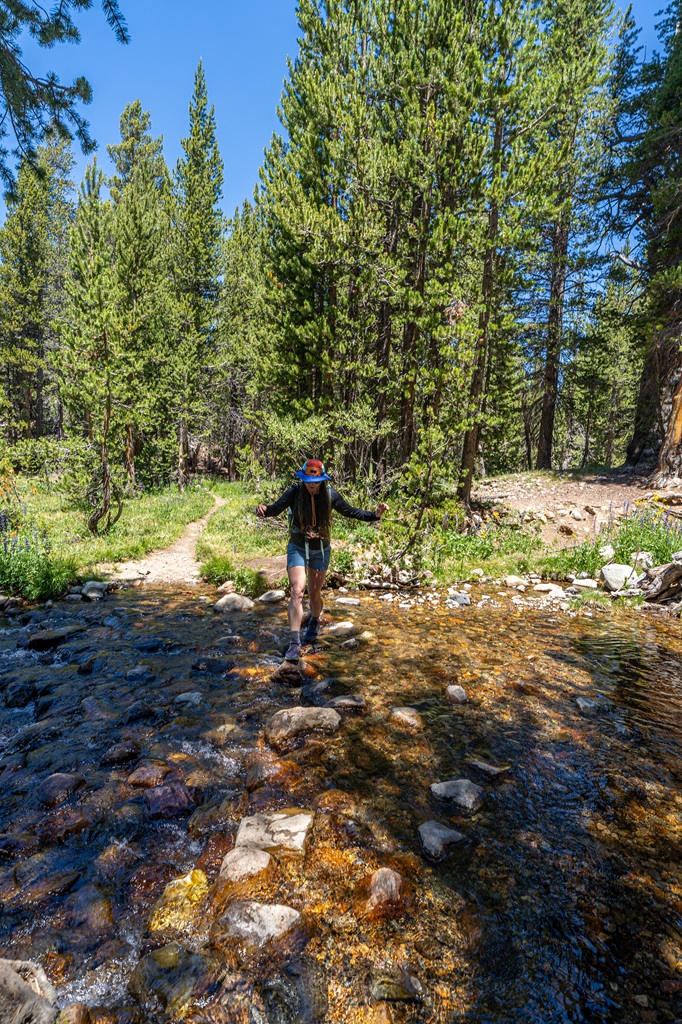
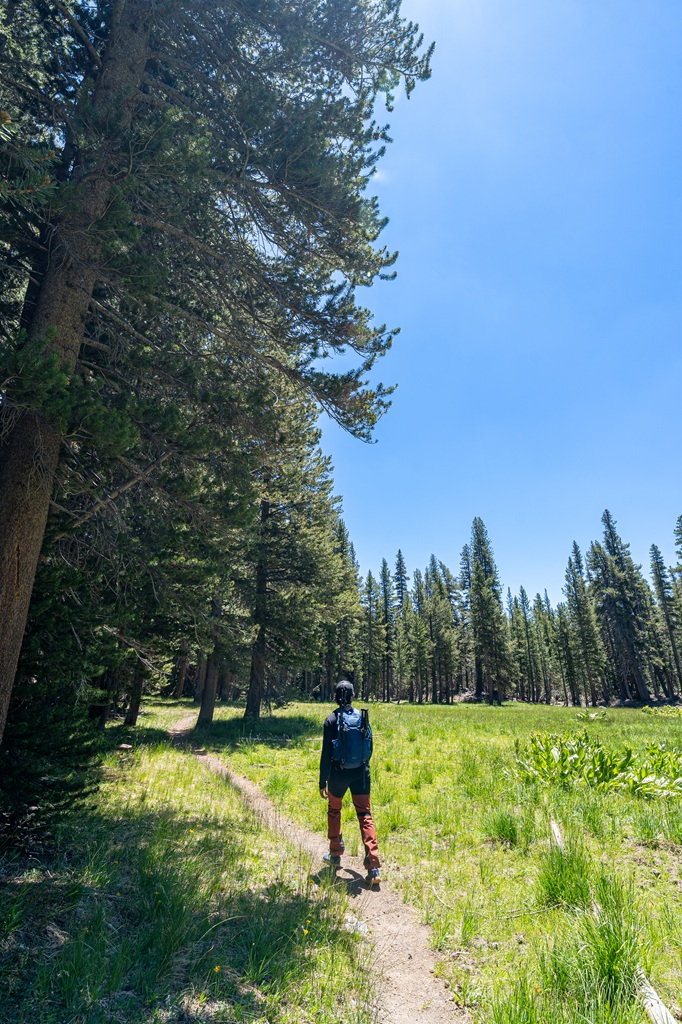
In late spring and early summer, expect higher water levels and a bit of adventure as you navigate over rocks and fallen logs to keep your feet dry.
In late summer and fall, the streams are typically calmer, making it easier to cross.
As you continue climbing, you’ll pass the remains of old miner’s cabins. It’s wild to imagine people living and working at such a high elevation long before modern comforts.
The Mono Pass Trail actually follows an old mining road once used by the Golden Crown Quartz Mine, Ella Bloss Quartz Mine, and Ella Bloss No. 2 Quartz Mine, collectively known as the Mono Pass Prospect.
Discovered in 1879 by Orlando Fuller, these mines sought gold, silver, and copper. They were later acquired by the Great Sierra Company. Mining eventually ceased in the 1890s, but remnants of the road and a few historic structures still remain.
Prior to these mining operations, this route was used as a migratory and trading route for the Paiute and Miwok peoples who have been inhabiting the Sierra for thousands of years.
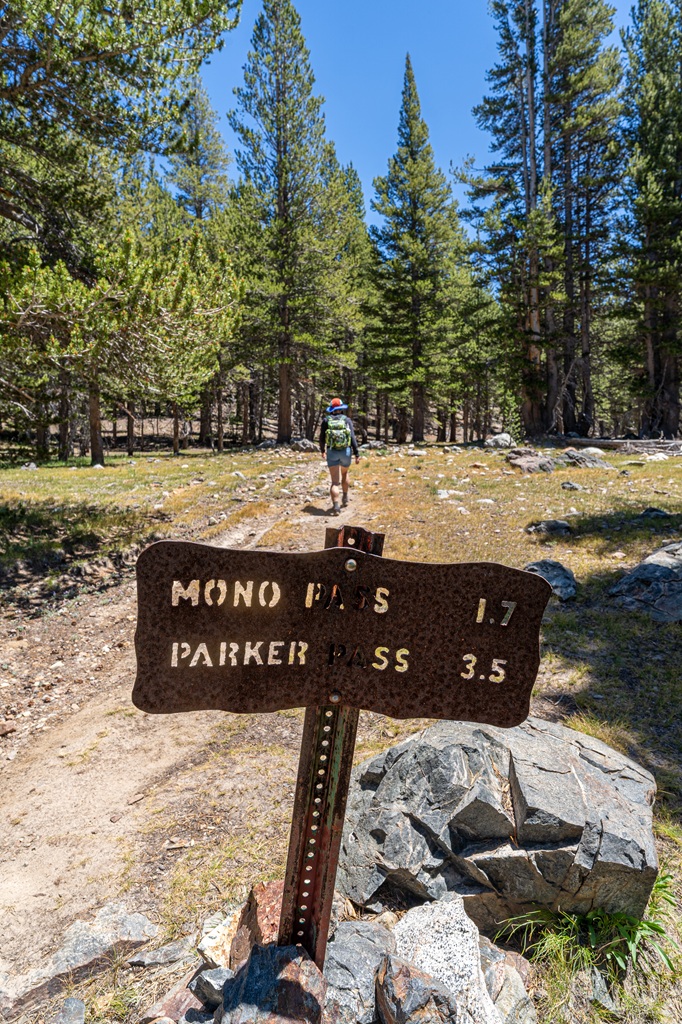
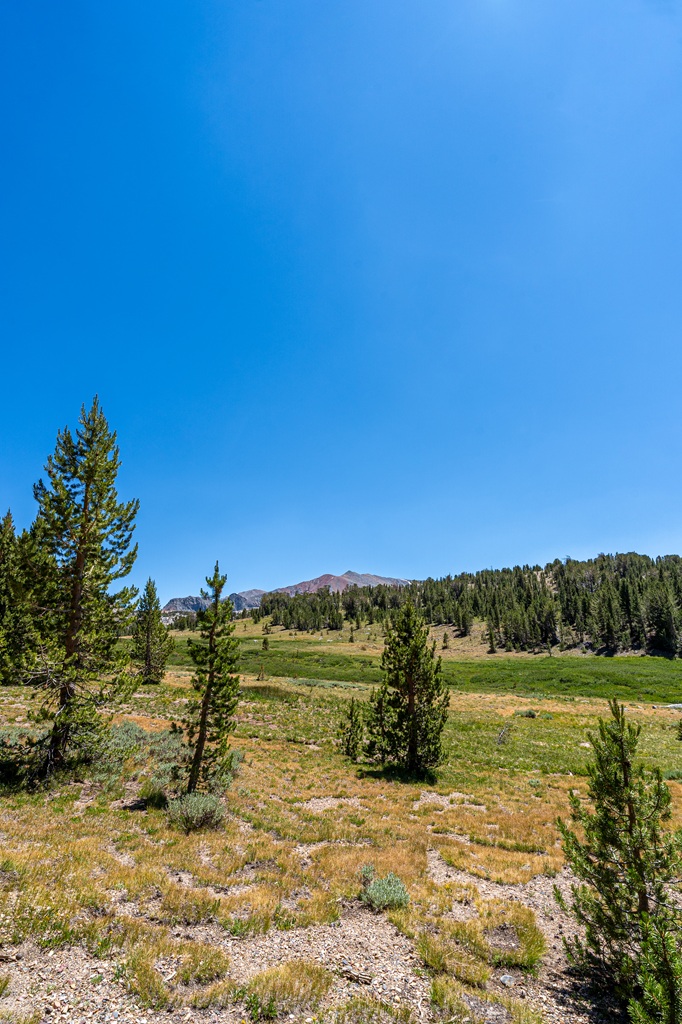
At 2.3 miles, you’ll reach the Spillway Lake-Mono Pass Junction. Continue left to stay on the Mono Pass Trail.
If you have time, consider taking the detour to Spillway Lake. More details on that route below!
After this junction, the forest opens up to incredible alpine scenery, with expansive views in every direction.
At 3.4 miles, you’ll come to another intersection known as the Parker Pass–Mono Pass Junction. Again, stay left to continue toward Mono Pass.
Parker Pass itself is a great backpacking destination, and if you’re into longer day hikes, this area offers access to remote alpine lakes and dramatic peaks worth exploring.
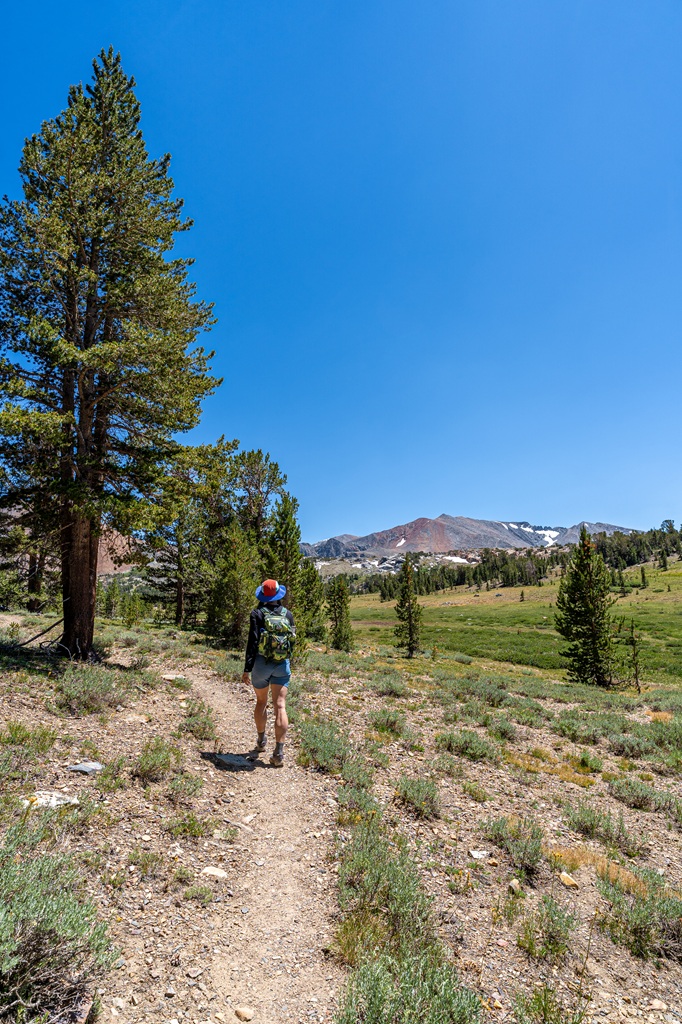
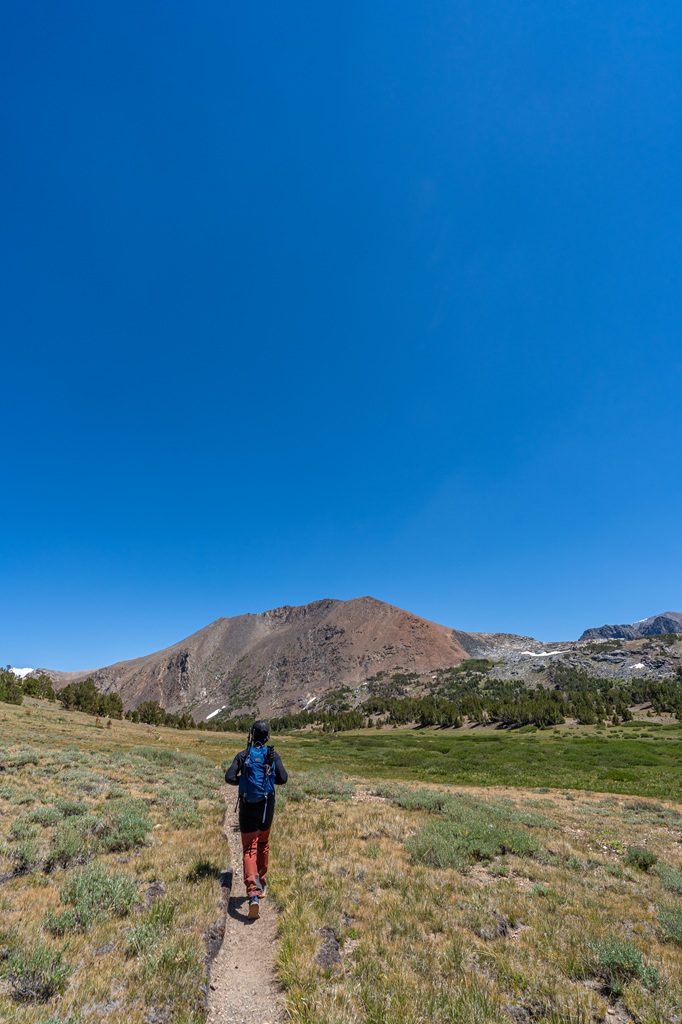
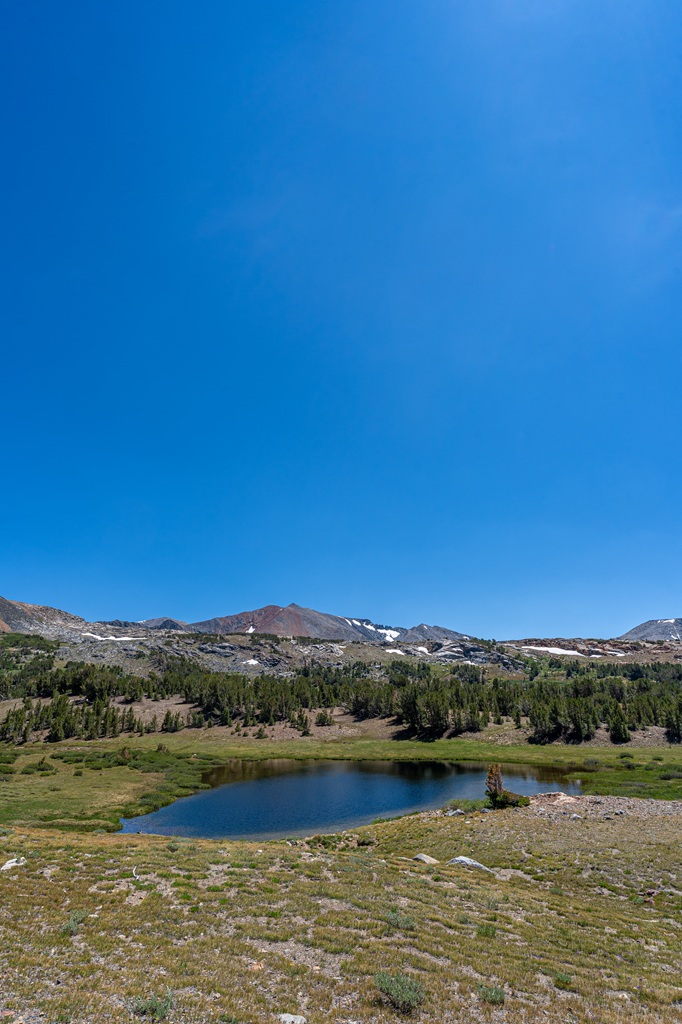
Around 3.8 miles, you’ll reach Summit Lake (elevation 10,621 feet). Just beyond the lake lies the end of Mono Pass Trail, marking the boundary between Yosemite National Park and Inyo National Forest.
This is the perfect spot to take a well-earned break and soak in the panoramic mountain views.
From here, most hikers turn around and retrace their steps back to the trailhead.
However, if you’re feeling adventurous, you can continue along the Bloody Canyon Trail to explore Upper and Lower Sardine Lakes (more on that below).
Congrats, you did it! 🥳
✨ Headed to Yosemite’s high country? Read my ultimate Tioga Pass guide to plan the perfect trip!
More Hiking Routes via Mono Pass Trail
Mono Pass Trail to Spillway Lake
This trail is one of Yosemite’s best-kept secrets. If you’re looking to escape the crowds and enjoy some solitude, the Mono Pass Trail to Spillway Lake is the perfect choice.
Starting from the Mono Pass Trailhead, the path leads you through peaceful forests and wide-open alpine meadows before reaching the stunningly clear waters of Spillway Lake.
Spillway Lake Trail Stats
Starting Point: Mono Pass Trailhead
Length: 8.2 miles roundtrip
Elevation Gain: 1,060 feet
Difficulty: Moderately challenging
Hiking Time: 4 to 5 hours
Route Type: Out-and-back
Hike Features: Old miner’s cabins, meadows, and Spillway Lake
Spillway Lake Trail Map
Upper and Lower Sardine Lakes via Mono Pass Trail and Bloody Canyon Trail
The hike to Upper and Lower Sardine Lakes via Mono Pass Trail and Bloody Canyon Trail is about 10.5 miles round trip with an elevation gain of 1,860 feet.
It’s rated challenging to the distance, high elevation, and rocky terrain. The trail ranges from around 9,500 feet to just over 10,500 feet in elevation, offering stunning alpine views and plenty of solitude.
After climbing gradually to Mono Pass, the trail crosses into Inyo National Forest and begins a steep descent into Bloody Canyon. This section of trail is rugged and loose, with sharp rocks that make footing tricky.
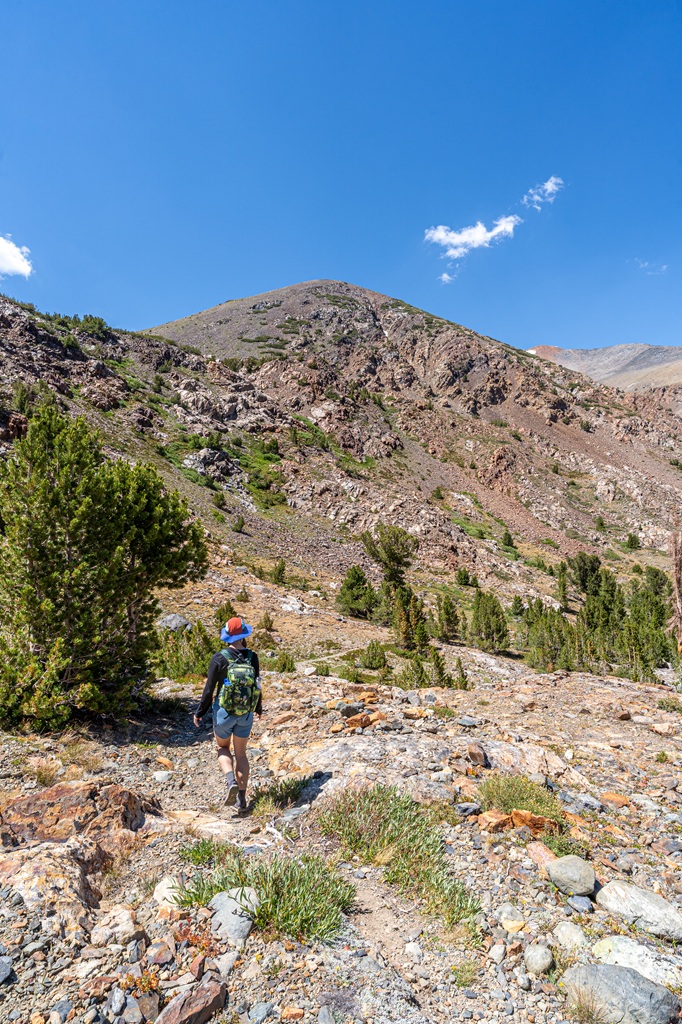
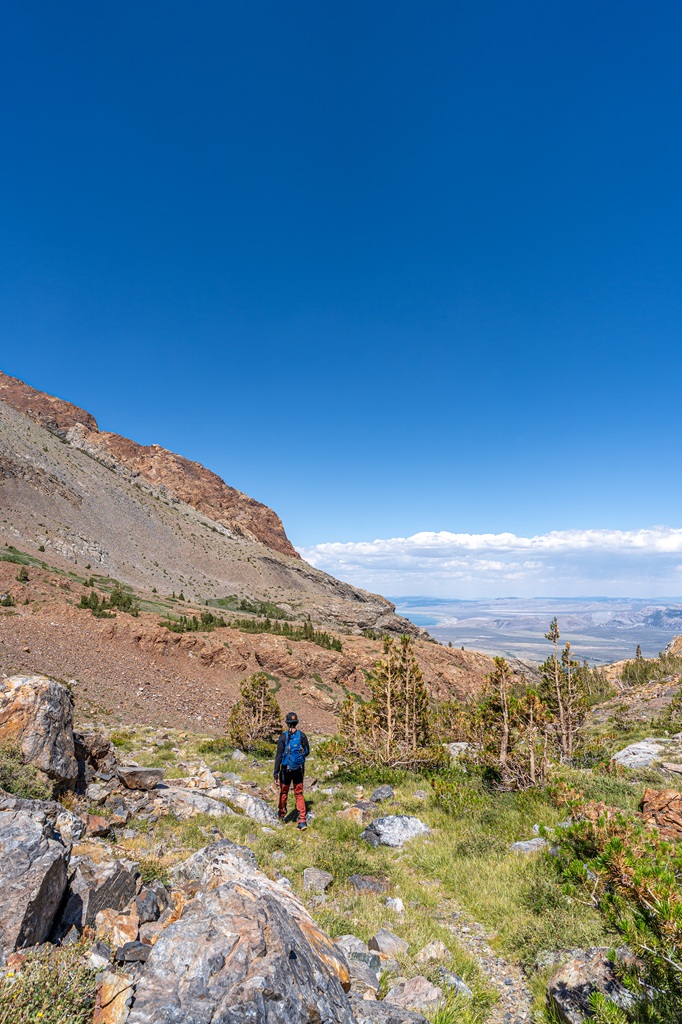
In the late 1800s, the route was used by miners and pack animals, and it earned its name when horses were injured on the jagged terrain.
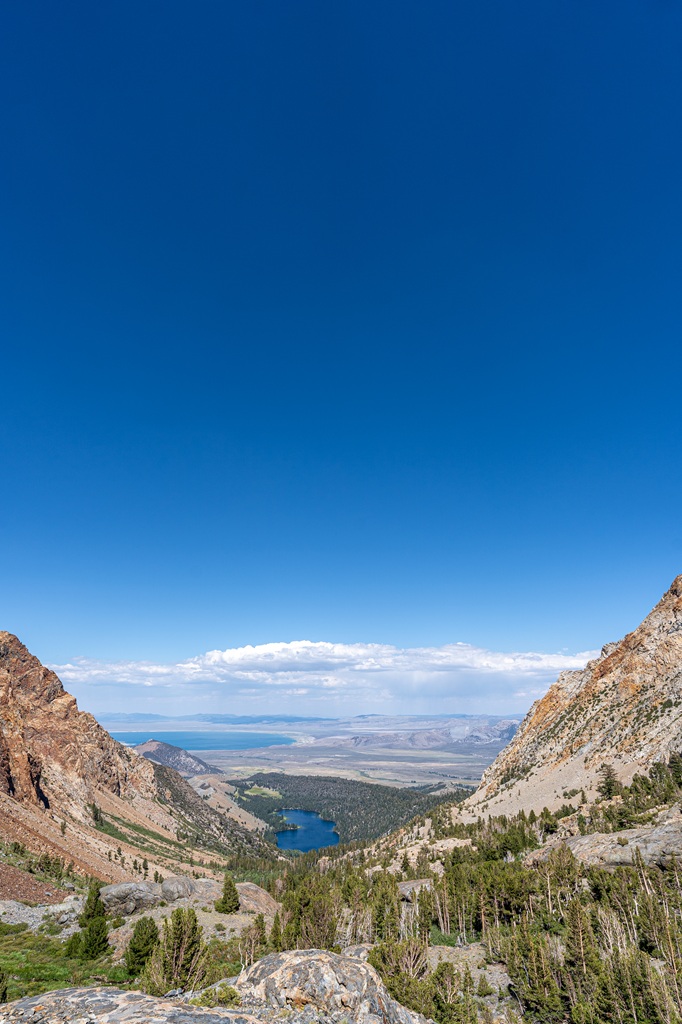
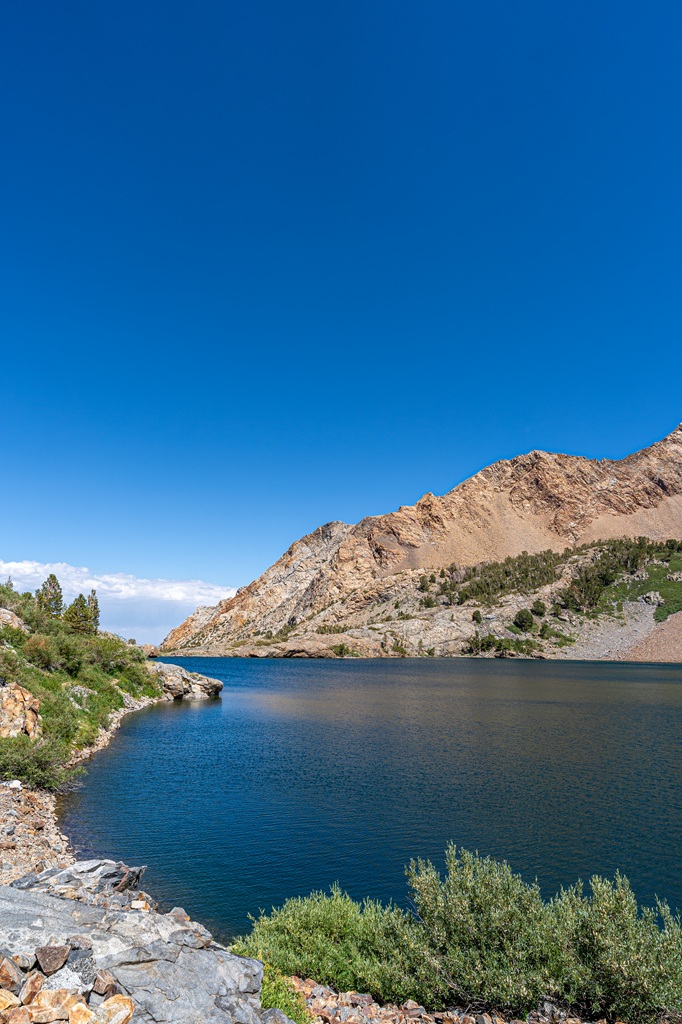
As you continue down the canyon, you’ll come across two beautiful alpine lakes – Upper Sardine Lake sitting at 10,384 feet in elevation and Lower Sardine Lake at 9,902 feet in elevation.
Both are surrounded by rocky cliffs and offer peaceful, scenic spots to rest or eat lunch before turning around. The climb back out of Bloody Canyon to Mono Pass is tough so be prepared!
For those up for the challenge, combining the Mono Pass Trail and Bloody Canyon Trail offers a mix of history, adventure, and incredible alpine beauty.
🥾 Explore more of Tuolumne Meadows and Tioga Pass with these hikes!
- Clouds Rest from Sunrise Lakes Trailhead (14.5 miles, challenging)
- Cathedral Lakes (9.5-12 miles, challenging)
- Lembert Dome and Dog Lake (2-4 miles, moderate to challenging)
- May Lake and Mount Hoffmann (2.5-6 miles, moderate to challenging)
- Mono Pass Trail (8 miles, moderate)
- Gaylor Lakes (2.5-4.5 miles, challenging)
- Mount Dana Trail (6 miles, challenging)
Tips for Hiking Mono Pass Trail (and Bloody Canyon Trail)
1. Start Early: Although this hike isn’t as crowded as other popular hikes in Yosemite, it can be tough to find a parking spot at the trailhead due to this route being a popular choice for backpackers. So, arrive early to secure a parking spot!
2. Check the Weather Forecast: Mono Pass is open and exposed which can be dangerous in bad weather. If thunderstorms are in the forecast, postpone your hike for another day.
3. Be Careful When Crossing Streams: In early summer, the stream crossings can be dangerous due the water being high, cold, and swift moving. Be careful when crossing these streams!
4. Step in the Mud: Early in the season, the trail can become very muddy and wet due to snow melt. Please wear waterproof hiking boots and walk straight through the mud instead of going around. This helps to preserve the delicate ecosystem around the trail.
5. Acclimate to the Elevation: At nearly 10,600 feet, Mono Pass’s high elevation can make the hike significantly more challenging than similar distances at lower altitudes.
Take time to acclimate if you’re not used to hiking at high elevations! Altitude sickness is a serious risk, and there have been instances where hikers needed evacuation due to severe symptoms.
Pay attention to your body, stay hydrated, and take breaks as needed.
6. Be Bear Aware: Black bears are active within Yosemite. Follow these guidelines to avoid any negative interactions with a black bear.
🐻 Note: bear spray is prohibited in Yosemite!
7. Respect Nature: Follow Leave No Trace principles – plan ahead, pack out all trash, avoid disturbing wildlife, be considerate of others, and respect the natural beauty of Yosemite National Park.
What to Bring to Yosemite
🎟️ Entrance Pass – You will need to purchase an entrance pass once you reach the entrance station or you can buy the America the Beautiful Pass ahead of time and use that for the entire year.
📆 Reservation – Depending on when you plan to visit Yosemite, you may need a reservation.
👚 Layers of Clothing (top) – Pack a moisture-wicking base layer, a fleece mid-layer, an insulated jacket, and an outer shell to protect you from the elements, such as rain and wind. You may not need all these layers, especially in the summer months, but it’s always best to be over-prepared!
Check out my favorite tops 👇
- Base layer: REI Co-op Sahara Shade Hoodie (warm/mild conditions) and REI Co-op Midweight Long-Sleeve Base Layer (cooler conditions)
- Fleece mid layer: Cotopaxi Teca Fleece Full-Zip Jacket
- Down mid layer: Cotopaxi Fuego Hooded Down Jacket
- Outer shell: In the summer I always pack a light windbreaker, such as the Cotopaxi Teca Crop Windbreaker or the RevolutionRace Unit Light Windbreaker. Make sure to also pack a waterproof rain jacket – I like the Patagonia Torrentshell 3L Jacket.
🩳 Hiking Shorts or Pants – Pack a comfortable, durable, and stretchy pair of hiking shorts or pants. Also think about what conditions you might run into, such as warm or cold temperatures, wind and/or rain, bugs, and overgrown trails.
Check out my favorite hiking bottoms 👇
- Cotopaxi Losdos Zip-Off Pants
- RevolutionRace Breezy Ankle Outdoor Pants
- Baleaf Fleece-Lined Jogger Pants
- RevolutionRace Summit Pocket Tights
- Revolution Race Hike & Dive Shorts
🥾 Hiking Footwear – Bring a good pair of hiking boots or shoes with good traction. If I’m not expecting to hike in too much mud or snow, my go-to hiking shoes are the Altra Lone Peak trail runners. They have a wide-toe box, 0 mm heel-to-toe drop, and MaxTrac rubber outsole. Plus, they’re lightweight and so comfy!
🧦 Socks – Moisture-wicking, quick-drying socks are the way to go. My favorite pair of hiking socks are Darn Tough Hiker Micro Crew Cushion Socks. Always pack an extra pair!
🎒 Day Pack – What you plan to do (sightseeing, hiking, etc.), determines what size pack you’ll need. Here is what I typically bring based on what I’m doing that day 👇
- Short walks and sightseeing: Cotopaxi Kapai 1.5L Del Dia Hip Pack
- Short, easy to moderate day hikes: REI Co-op Flash 22L Pack
- Long, moderate to challenging day hikes: REI Co-op Trail 25L Pack or Cotopaxi Luzon Del Dia 24L Pack
🥢 Trekking Poles – Essential for stability, balance, and support when hiking trails, especially on tough, rocky, and uneven terrain. I use REI Co-op Trailmade Trekking Poles and love them!
❄️ Microspikes – Bring a pair of microspikes if you’re visiting in the winter and you’re planning to hike along icy trails. They will give you good traction to avoid slipping! I use Black Diamond Access Spike Traction Device.
🦟 Mosquito/Bug Repellants – In the warmer months, be prepared for annoying gnats, mosquitoes, and flies. Wear long-sleeve clothing, a head net, and use bug spray.
🧤 Extra Warm Layers – If you expect cooler conditions or hiking to higher elevations, make sure to pack extra layers for added warmth, such as gloves, beanie, neck gaiter, and a light jacket.
🗺️ Navigation – Carry a physical topographic map, compass, a satellite messenger (or personal locator beacon), and download offline maps to help you stay on course, find your way in unfamiliar terrain, and call for help if needed.
🔦 Headlamp/Flashlight – A reliable light source with extra batteries, in case you end up hiking in the dark or need it for emergency situations.
💧 Water – Water bottles to carry sufficient water to stay hydrated, along with a filtration system or purification tablets if you plan to refill from natural sources.
🍕 Food – Energy-rich snacks or meals to keep your energy levels up during the hike.
😎 Sun Protection – Sunscreen, sunglasses, and a sunhat to protect yourself from harmful UV rays, even when it’s cloudy. Also, polarized sunglasses are important when it’s bright outside and to reduce glare from reflective surfaces like water, snow, and roads.
🩹 First-Aid Kit – A basic first-aid kit with items like bandages, antiseptic, pain relievers, and any personal medications you may need.
🥶 Emergency Shelter – Pack an emergency bivy sack or space blanket for shelter in case of sudden weather changes.
🔥 Fire – A lighter, matches, or fire starter to help you build a fire for warmth or signaling in case of emergency. Along with matches, I also carry a multi-tool carabiner that has a fire starter, utility blade, screwdriver, and bottle opener.
🗡️ Multi-Tool and Repair Kit – A versatile tool/knife and repair kit to handle any task, from preparing food to making repairs.
Conclusion
Hiking the Mono Pass Trail in Yosemite is a rewarding adventure that combines history, solitude, and breathtaking high-country scenery.
The trail’s history adds a fascinating layer, while the expansive views near the pass remind you just how vast and wild Yosemite’s eastern edge truly is. 😍
And there’s plenty of adventurous side quests when hiking the Mono Pass Trail, such as taking the trail to Spillway Lake or hiking into Bloody Canyon to find more serene alpine lakes.
Mono Pass is the perfect choice for hikers looking to escape the crowds and discover one of Yosemite’s lesser-known gems. 💎
If this guide inspires you to hike the Mono Pass Trail in Yosemite, I’d love to hear about your adventure.
Leave a comment and share your experience!
🤩 Yosemite Trip Planning Resources
- 1-Day Yosemite Itinerary for First-Time Visitors
- Where to Stay Outside of Yosemite (best places in 2026)
- 13 Best Hikes in Yosemite Valley You Can’t Miss!
- Best Spots to Find Giant Sequoia Trees in Yosemite
- 10 Must-Do Easy Hikes in Yosemite for All Skill Levels
- Hetch Hetchy Hikes: Explore This Hidden Gem
- Best Yosemite Waterfall Hikes: Complete Guide
- Ultimate Guide to Visiting Yosemite in May
- Is Tioga Pass Open? Plan an Epic Trip with This Guide
- 12 Best Tioga Pass Hikes for Adventure Lovers
Enjoyed this post? Pin for later!