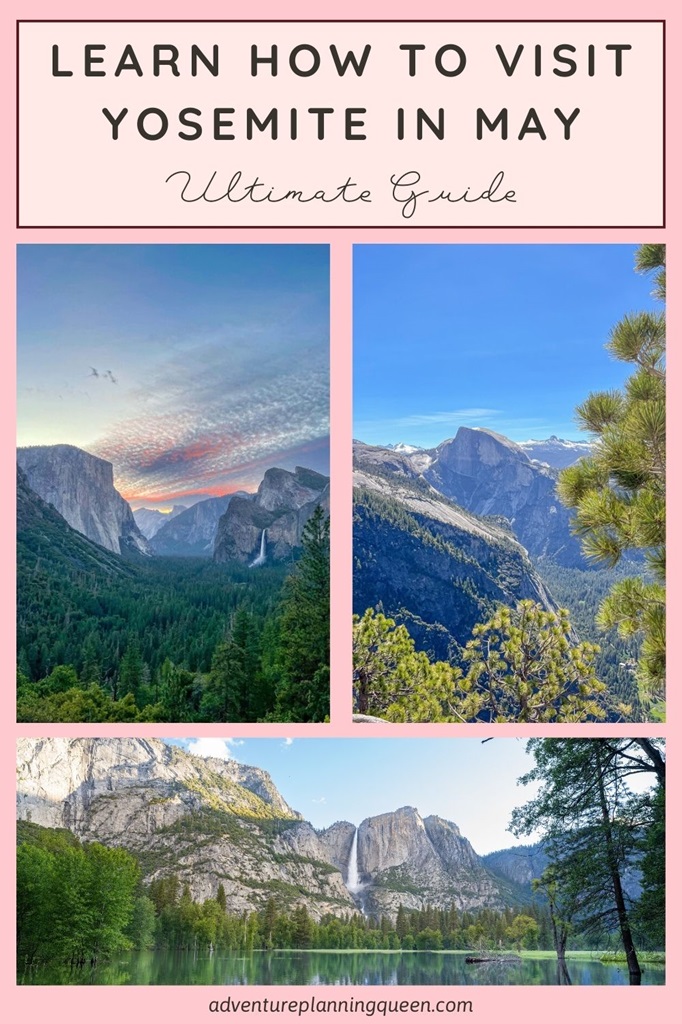
Yosemite National Park is one of America’s most iconic outdoor destinations, known for its towering granite cliffs, massive waterfalls, and breathtaking vistas.
Every season has its unique charm, but visiting Yosemite in May offers a truly special experience. It’s one of my favorites months to visit Yosemite! 🌷
Yosemite Valley comes alive with vibrant greenery, roaring waterfalls, and comfortable weather perfect for outdoor adventures.
May is also a sweet spot for those looking to avoid the peak summer crowds while enjoying popular trails and scenic viewpoints without feeling overwhelmed.
In this guide, we’ll dive into why you should visit Yosemite in May, top things to do, and tips for planning an unforgettable trip. 🤩
Affiliate Disclaimer: Some links on this page may be affiliate links, meaning I may earn a small commission at no extra cost to you. As an Amazon Associate, I earn from qualifying purchases. Thanks for supporting the blog! 🫶
Yosemite in May: Overview
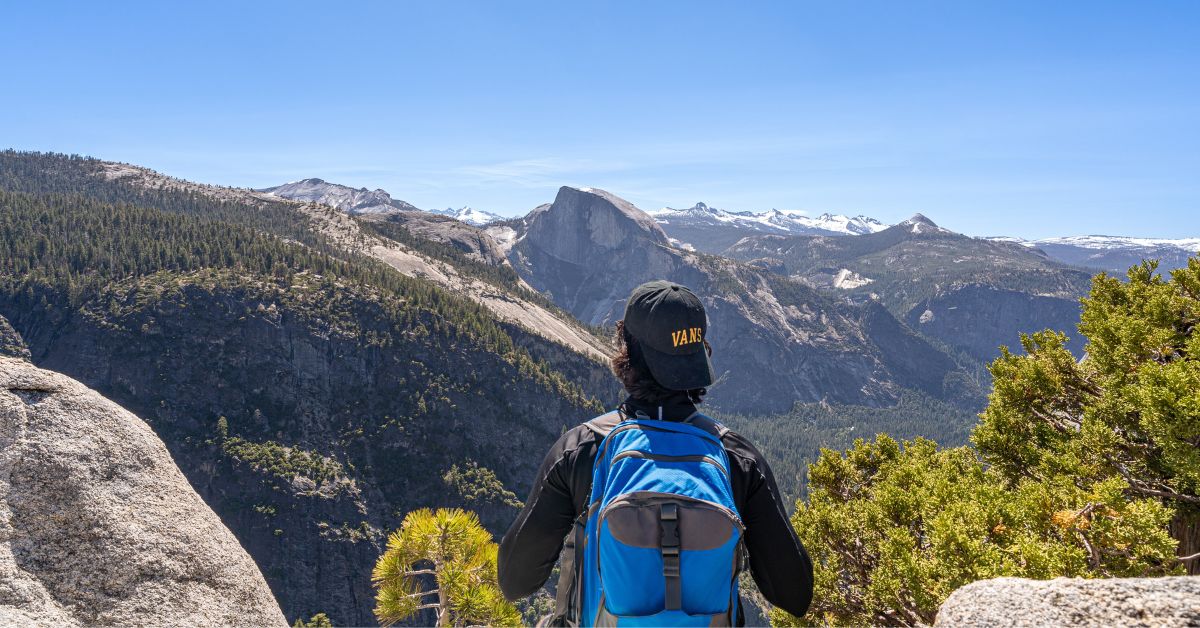
🌷 Reasons to visit Yosemite in May:
- Comfortable weather
- Incredible waterfalls
- Vibrant spring scenery
- Chances of seeing wildlife
- Fewer crowds (as compared to summer)
- Diverse hiking opportunities (lower elevations are snow-free and higher elevations may have snow)
Best spots in Yosemite to explore in May: Yosemite Valley, Hetch Hetchy, Mariposa Grove, and possibly Glacier Point
Potential road closures: Tioga Road and Glacier Point Road may be closed until late May to early June.
🏞️ Yosemite Entrance Fee and Reservation
Entrance to Yosemite National Park costs $35 per vehicle for a 3-day pass. However, if you have the America the Beautiful Annual Pass, your entry is free!
For those who love exploring national parks, investing in the Annual Pass is a smart choice. At just $80, for U.S. residents, it grants you access to over 2,000 federal recreation sites across the country!
FEE UPDATES! Beginning January 1, 2026, non-U.S. residents (without an annual pass) will pay a $100 per person in addition to the standard entrance fee. The Annual Pass for non-US. residents will cost $250.
Reservations are not required at this time (updated January 12, 2026).
Why Visit Yosemite in May?
1. Yosemite weather in May (perfect for outdoor adventures)
May to early June marks the late spring season in Yosemite, bringing warmer weather that’s ideal for outdoor adventures.
In Yosemite Valley, the average highs reach the 70s°F (22°C), with lows dipping into the 40s°F (7°C).
However, as you venture into higher elevations, temperatures drop significantly, with places like Tuolumne Meadows averaging highs of 55°F (13°C) and lows of 26°F (-3°C).
Be prepared for occasional rainy days, unexpected cold fronts, and even snowfall in higher regions, as these are still possible in May.
Always check the weather forecast and pack accordingly for a variety of conditions.
Many of the trails in Yosemite Valley, Hetch Hetchy, Mariposa Grove, and Wawona are usually snow-free and accessible by May.
Higher elevations, such as Glacier Point and Tioga Road, may become accessible by late-May but might require winter gear due to colder temperatures and remaining snow.
Tire chains are rarely needed in May, but it’s still possible for a late-season snowstorm to occur, which could lead to chain requirements.
⚠️ Check the current conditions and weather forecast before visiting.
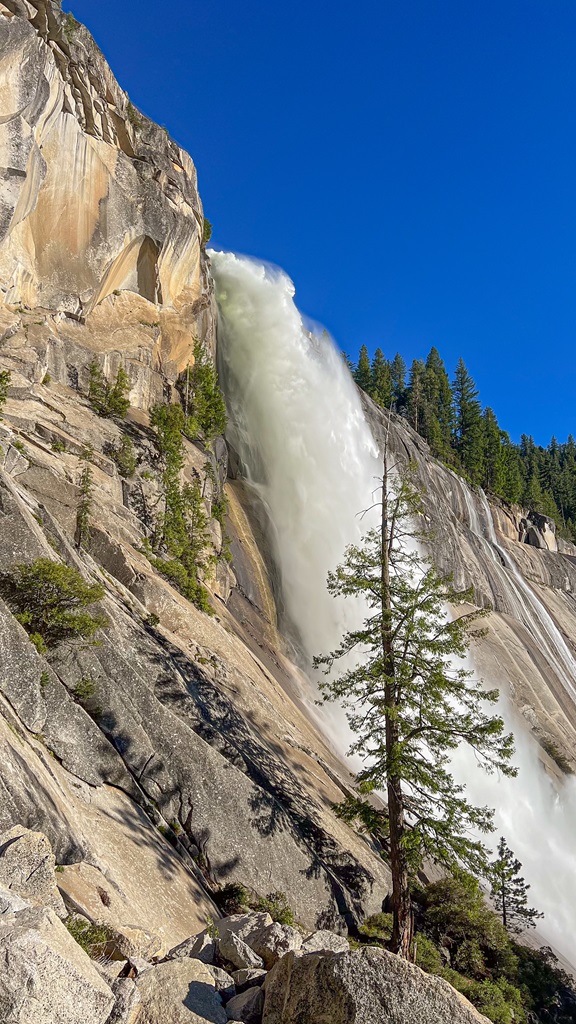
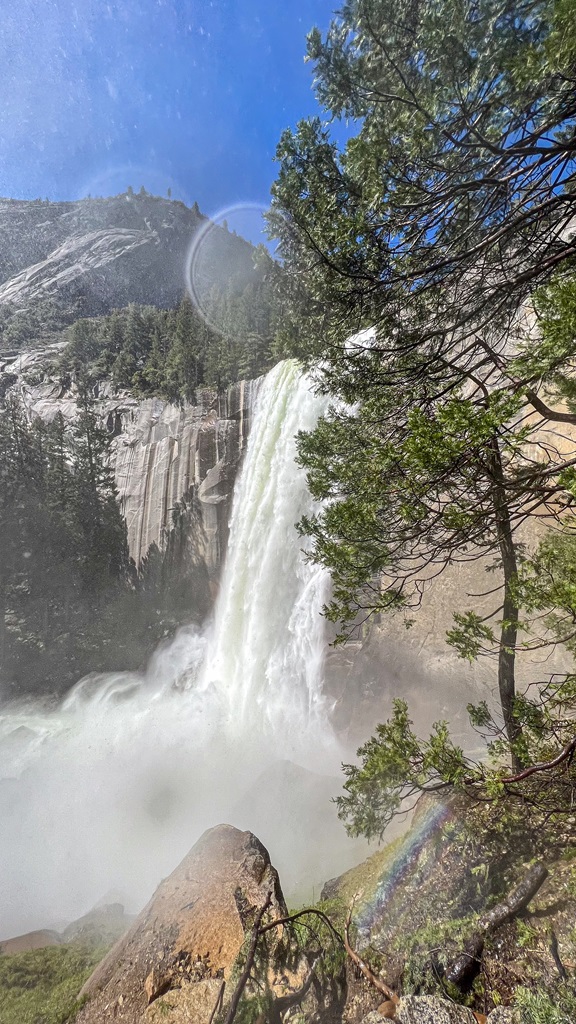
2. Yosemite waterfalls are at peak flow
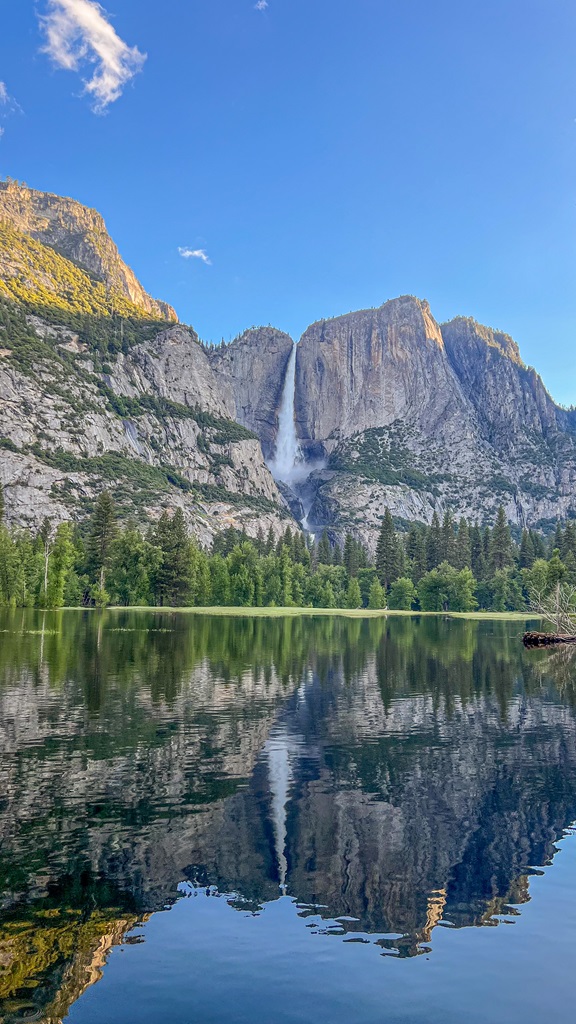
As the warmer weather of May melts the snowpack in Yosemite’s higher elevations, the park’s waterfalls come alive!
Even the smallest creeks transform into rushing streams, while larger rivers and well-known waterfalls reach their peak flow, creating some of the most spectacular sights of the year.
The month of May (and even early June) is truly the best time to experience Yosemite’s waterfalls at their most powerful.
For hikers, the park offers a variety of trails – ranging from easy strolls to strenuous treks – that lead to some of the most breathtaking falls in the country.
If hiking isn’t an option, don’t worry! Many of Yosemite’s waterfalls can be admired from easily accessible viewpoints.
Later in this guide, you’ll find a list of the best Yosemite waterfall hikes.
3. Yosemite’s spring scenery (wildflowers and wildlife)
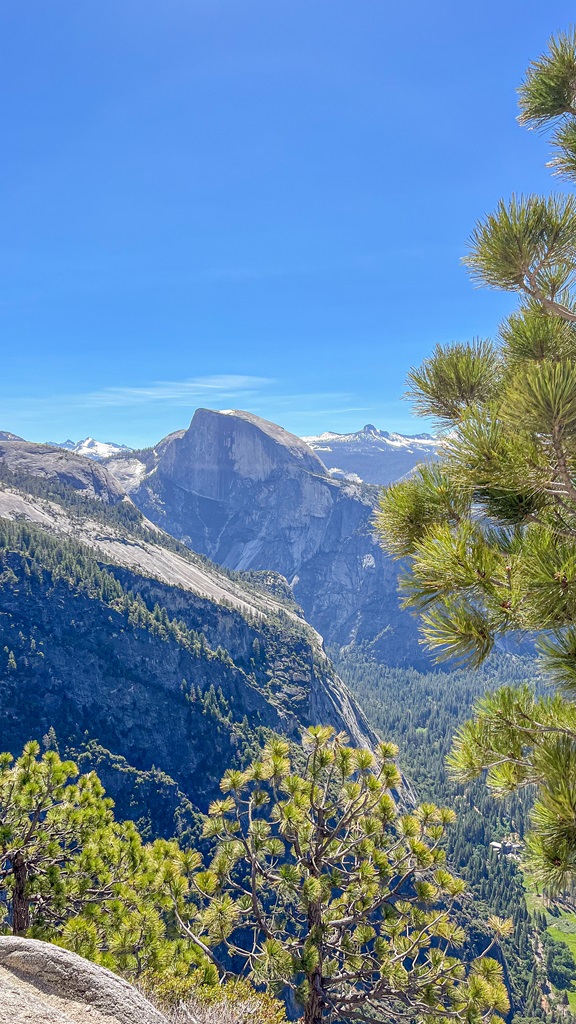
May is a magical time when Yosemite truly comes to life!
By mid to late May, Yosemite’s lower elevations burst into a stunning display of wildflowers, painting the landscape with vibrant colors and natural beauty.
Wildlife is also more active this time of year, energized by the warmer weather and the abundance of food now emerging from beneath the melting snow.
Keep an eye out for birds, deer, and even bears as you explore the park’s trails and scenic spots.
Black bears (the only kind of bears in Yosemite) usually come out of hibernation and become active by late March and April.
Don’t worry, black bears are (usually) calm, beautiful creatures and amazing to watch in their natural habitat.
🐻 Follow these rules to keep you and the bears safe:
- Drive the speed limit posted within the park.
- Maintain a distance of 100 yards if possible.
- Store food properly (keep scented items/food in a container/cooler in a locked car during daytime hours and in food lockers at nighttime for those staying in the campgrounds).
- Hike in pairs or groups.
- If you see a bear while hiking slowly back away (don’t run!), make some noise, and make yourself look big.
⚠️ Note: bear spray is prohibited in Yosemite National Park!
4. Avoid summer crowds in Yosemite in May
Early to mid-May offers one of the best opportunities to experience Yosemite with pleasant weather and relatively smaller crowds.
While visitor numbers are higher than in winter, they remain far below the summer surge, allowing for more peaceful adventures.
By mid to late May, some trails and roads start to reopen, offering the exciting opportunity to be among the first to explore those areas before the summer crowds roll in.
Cons to Visiting Yosemite in May
While May is a fantastic time to visit Yosemite, it does come with a few drawbacks to keep in mind.
1. Late-spring crowds: As the warmer weather arrives and schools let out for summer break, the park begins to draw larger crowds – typically in mid to late May. Though it’s not as busy as the peak summer season, the increase is noticeable, especially if you arrive at the entrance gates after mid-morning.
Additionally, Memorial Day weekend brings summer-level crowds, so it’s best to avoid visiting during this holiday if possible!
2. Lodging in the park can be tough to get: Accommodations can also be challenging to secure in May and campgrounds quickly fill up. Most lodging options within Yosemite require reservations made at least six months in advance.
3. Freezing in the mornings, warm in the afternoons: Although the weather warms up during the day, early mornings and nights can still be chilly.
4. Possible road/trail closures: Road and trail opening dates depend heavily on the winter snowpack. Higher elevations, like Glacier Point and Tioga Road, may remain inaccessible until late May or even June.
✨ For tips on managing crowded places, check out my guide, 15 Ways to Avoid Crowds in the Great Outdoors, to help make your Yosemite trip more enjoyable and stress-free.
Things to do in Yosemite in May
Yosemite offers a variety of incredible activities in May, from hiking and biking to exploring Yosemite Valley and Hetch Hetchy.
However, some areas, like Glacier Point and Tuolumne Meadows (along Tioga Road), may remain inaccessible depending on the snowpack conditions from the winter season.
Let’s go over the best things to do in Yosemite in May! 👇
1. Hike to waterfalls in Yosemite
May is the perfect time to chase waterfalls in Yosemite! Peak flow typically occurs in May and June, as snowmelt from the winter transforms the park’s waterfalls into breathtaking cascades of rushing water.
Below is a list of waterfall hikes that can usually be done in May. The hikes cater to all levels, from easy, family-friendly trails to challenging, heart-pounding adventures.
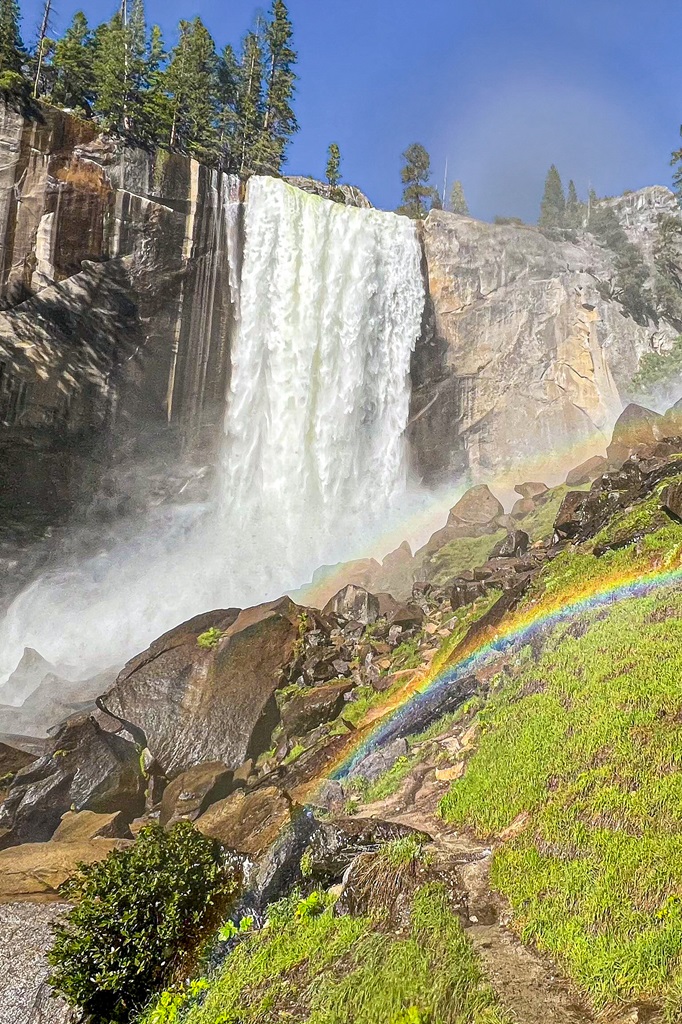
🥾 Waterfall hikes in Yosemite in May:
- Vernal Fall via Mist Trail (3 miles)
- Nevada Fall via Mist Trail/John Muir Trail (7 miles)
- Upper Yosemite Fall (7 miles)
- Lower Yosemite Fall (1.2 miles)
- Bridalveil Fall (0.5 miles)
- Wapama Falls (5 miles)
- Rancheria Falls (13 miles)
- Chilnualna Falls (8.2 miles)
- Illilouette Fall via Panorama Trail (5 miles)
It is not recommended to swim above or below any of the waterfalls in Yosemite, especially during peak flow season.
A popular spot for swimming is the Merced River in Yosemite Valley. Please be careful if swimming in May as the current could be very strong!
2. Explore Yosemite Valley (hikes + must-see spots)
May is the perfect time to visit Yosemite Valley! Most trails are snow-free, the weather is pleasant, and the summer crowds have yet to arrive.
There are many things to do in Yosemite Valley, including hiking, sight-seeing, biking, and picnicking. You can even join a guided bus tour!
My favorite outdoor activity is hiking. There are lots of trails in Yosemite Valley perfect for families and casual hikers.
✨ READ THIS: 10 Must-Do Easy Hikes in Yosemite
If you’re into challenging hikes, don’t worry, I got those listed too. Just remember, snow may be present at higher elevations, so be prepared!
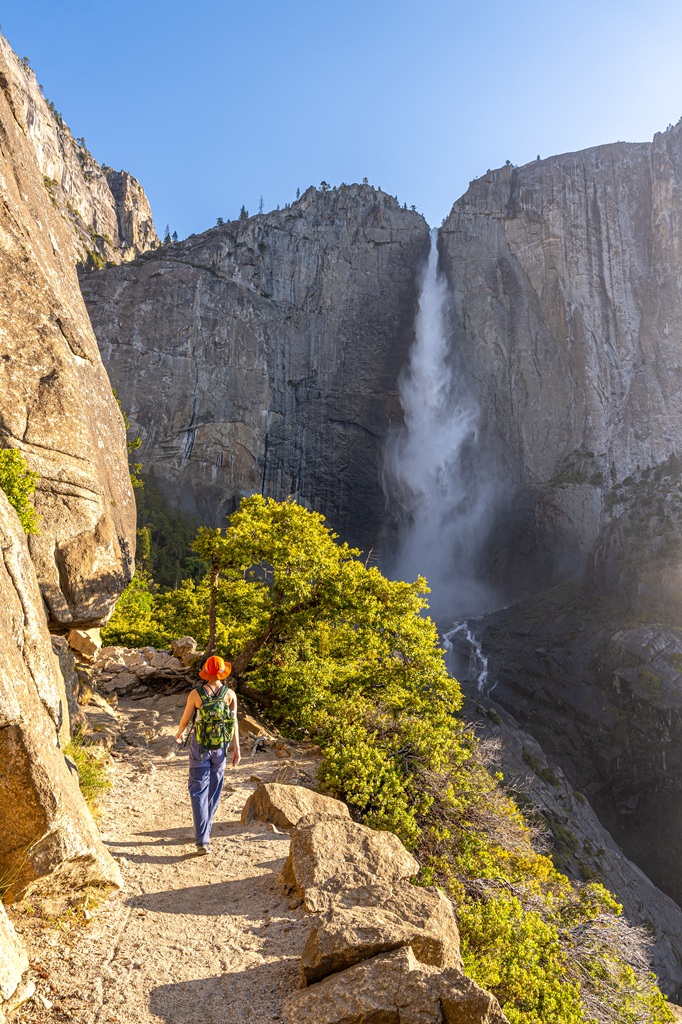
👨👩👧👦 Family-friendly hikes in May:
- Cook’s Meadow Loop (1 mile)
- Mirror Lake Trail (2 miles via paved path)
- Lower Yosemite Fall (1.2 miles)
- Bridalveil Fall (0.5 miles)
💪 Challenging hikes in May:
- Vernal and Nevada Falls (7 miles)
- Upper Yosemite Fall (7 miles)
- Four Mile Trail (10 miles – upper portion may be closed in May)
- El Capitan (16 miles)
- Half Dome (16 miles – cables usually go up in late May)
🤩 TRAVEL GUIDE: 1-Day Yosemite Itinerary for First-Time Visitors
In addition to its amazing hikes, Yosemite Valley has numerous fantastic sightseeing spots.
I made a list of breathtaking scenic overlooks/viewpoints and iconic landmarks that are a must-see during your visit.
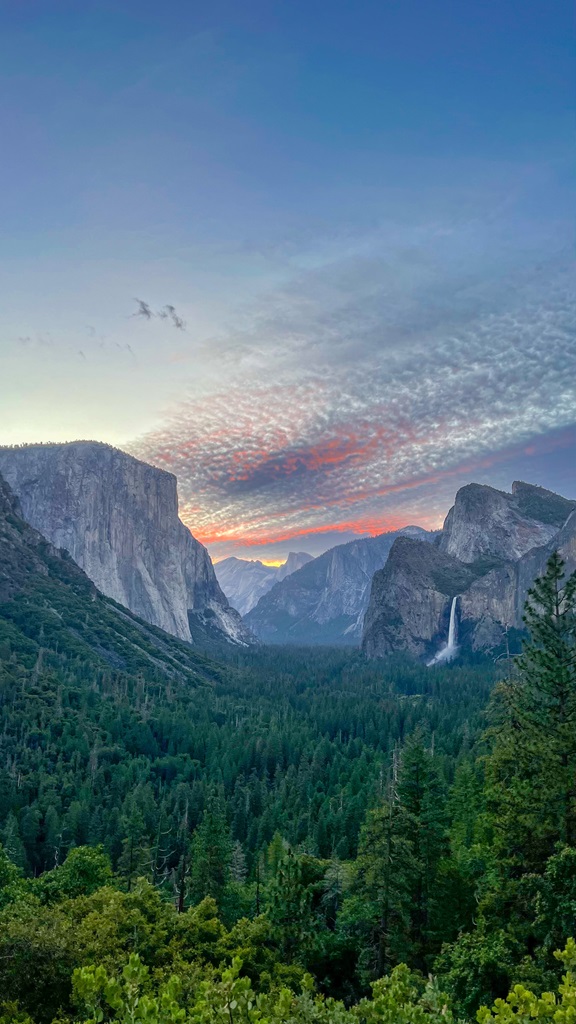
🏞️ Scenic overlooks and viewpoints:
- Tunnel View
- Valley View
- El Capitan Meadow
- Cook’s Meadow
- Swinging Bridge Picnic Area
⛰️ Iconic landmarks:
- Half Dome
- El Capitan
- Cathedral Rocks
- Yosemite Falls
- Bridalveil Fall
- Merced River
- Yosemite Valley Chapel
3. Visit Hetch Hetchy
Hetch Hetchy, tucked away in the northwestern corner of Yosemite National Park, is one of the park’s most serene and least-visited places.
In May, the trails are typically snow-free and the waterfalls are at their peak. With fewer crowds compared to other areas of the park, Hetch Hetchy provides a peaceful escape!
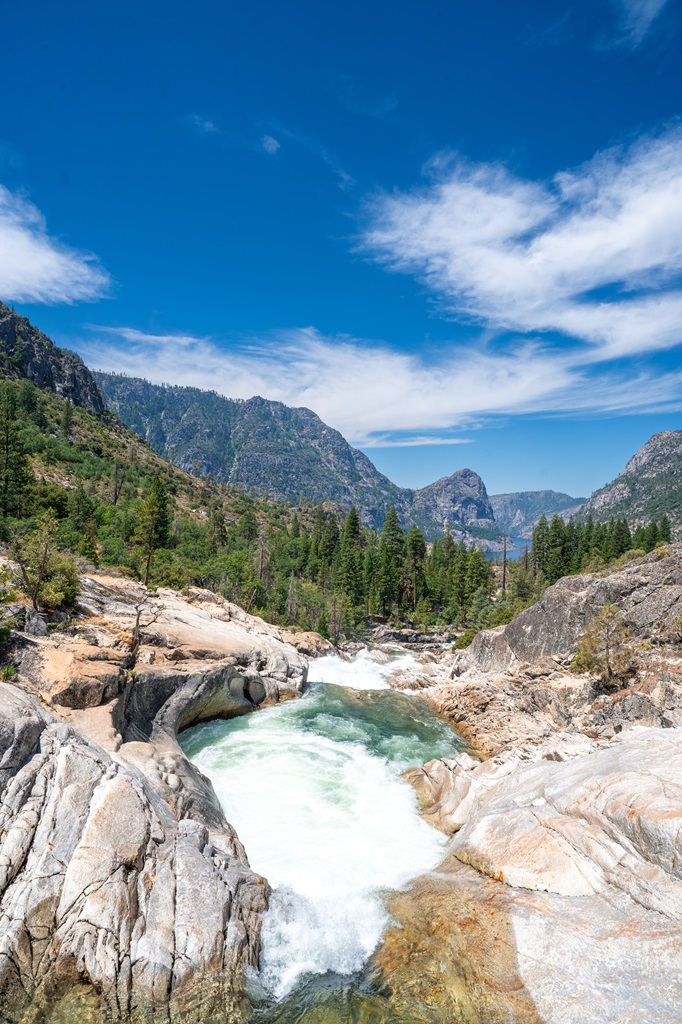
🥾 Tops things to do in Hetch Hetchy in May:
- Walk across the O’Shaughnessy Dam
- Hike to Wapama Falls (5 miles)
- Take in the incredible scenery of the reservoir
- Hike to Rancheria Falls (13 miles)
- Hike to Laurel Lake (14.5 miles)
Need help planning a trip to Hetch Hetchy? Don’t worry, I got you covered!
✨ Discover everything you need for an unforgettable visit with my complete Hetch Hetchy Travel Guide.
4. See Giant Sequoias at Mariposa Grove
Mariposa Grove is home to Yosemite’s largest sequoia grove with over 500 mature giant sequoias.
Mariposa Grove Road is typically open by May, providing access for parking at the Arrival Area for vehicles with a disability placard.
There is a free shuttle service that runs from the Mariposa Grove Welcome Plaza to the Arrival Area. The shuttle operates from mid-April to late November, but the schedule could change. View this year’s schedule HERE.
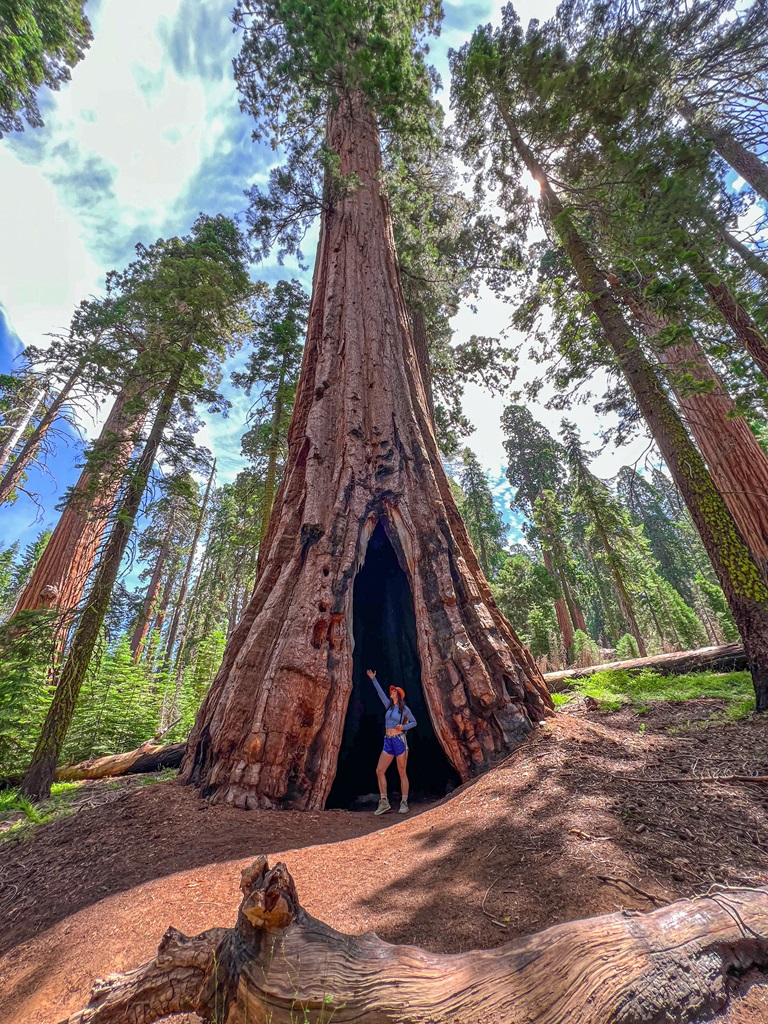
🥾 This area offers incredible hiking trails:
- Big Trees Loop Trail (0.3 miles)
- Grizzly Giant Loop Trail (2 miles)
- Guardians Loop Trail (6.5 miles)
- Mariposa Grove Trail (7 miles)
If the road happens to be closed, visitors can still reach the grove via the Washburn Trail (2 miles one-way).
Depending on conditions, the trails may be covered in snow or ice, so skis or snowshoes could be necessary.
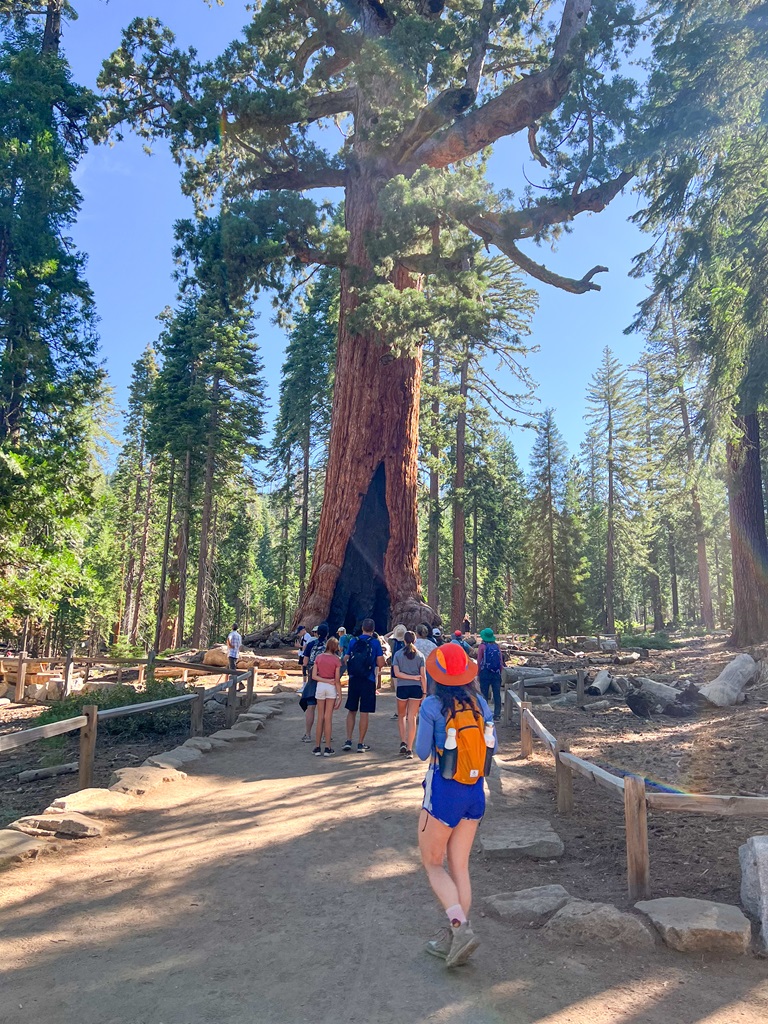
🌳 Don’t miss these famous giant sequoias:
- The Fallen Monarch
- Bachelor and Three Graces
- Grizzly Giant
- California Tunnel Tree
- Faithful Couple
- Clothespin Tree
- Mariposa Tree
- Telescope Tree
- Wawona Tunnel Tree (Fallen Tunnel Tree)
✨ READ THIS: Guide to Visiting Sequoia Groves in Yosemite
5. If Glacier Point is open, go!
Visiting Glacier Point in May offers a unique and breathtaking experience in Yosemite.
From the top of Glacier Point, you’ll be treated to spectacular views of Yosemite Valley, Half Dome, and the High Sierra.
This area can be accessed either by foot from Yosemite Valley via challenging trails or by car (if the road is open).
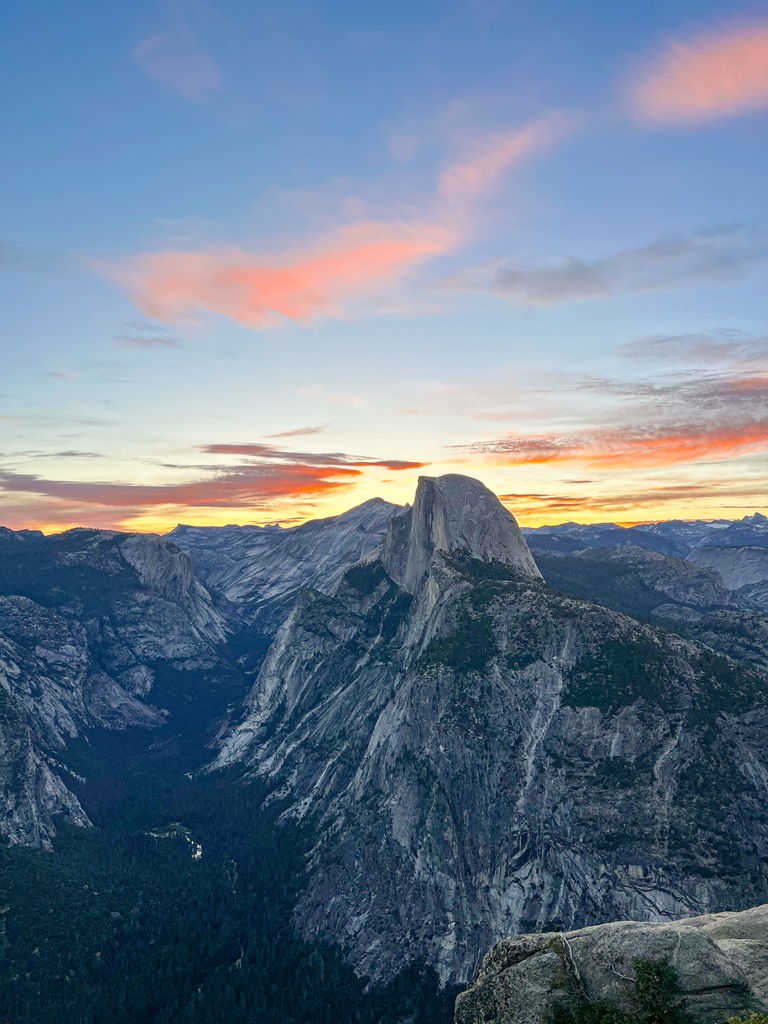
🥾 Hikes in Glacier Point include:
- Sentinel Dome and Taft Point (2.2 to 5.2 miles)
- Panorama Trail (9 miles)
- Mono Meadow (5.8 miles)
- Ostrander Lake (12.1 miles)
- Dewey Point (7.7 miles)
Typically, Glacier Point Road opens to vehicles from late May through October or November, depending on weather conditions.
⚠️ Check for updates on road closures HERE.
6. Climb Half Dome
Located in Yosemite Valley, Half Dome is one of the most challenging and most popular hikes in all of Yosemite.
Be among the first to climb Half Dome this season! The cables for Half Dome typically go up the Friday before Memorial Day in late May.
This iconic, strenuous hike requires a permit, and the roundtrip trail spans 14 to 16 miles with nearly 5,000 feet of elevation gain.
Day hiker permits are distributed via a lottery system on Recreation.gov, with 225 permits available each day. The preseason lottery takes place from March 1 to 31, with results sent out in mid-April.
Daily lotteries are available throughout the season as well.
7. Backpack in Yosemite’s wilderness
Backpacking in Yosemite in May offers a mix of adventure and challenge as the snow begins to melt, revealing some of the park’s incredible trails.
This outdoor activity requires careful planning, proper gear, and a commitment to safety – for yourself, the wildlife, and the environment.
⚠️ Don’t forget to secure a wilderness permit before heading out!
Backpacking trails within Yosemite Valley, Wawona, and Hetch Hetchy may be clear of snow in late May, making them more accessible.
However, higher elevation routes, especially those involving more than two nights, are likely to still have significant snow cover.
Learn more about conditions in Yosemite’s wilderness HERE.
8. Explore scenic spots along Tioga Road (if open)
Tioga Road is a scenic alpine route, which climbs over 9,000 feet, offering breathtaking views of Yosemite’s high country.
Visiting Tioga Road in May is a bit of a gamble, as the road typically remains closed through most of May due to snow. Check for updates on road conditions before going!
If the snowpack has been lighter than usual or conditions allow, the road may open by late May, giving early visitors a rare chance to enjoy this stunning area with fewer crowds.
Even if the road is closed, parts of it may be accessible by snowshoes or skis. Please know your limits and be prepared if you attempt a snowy expedition in the Tioga Road area!
✨ READ THIS: Best Hikes in Tuolumne Meadows and Tioga Pass
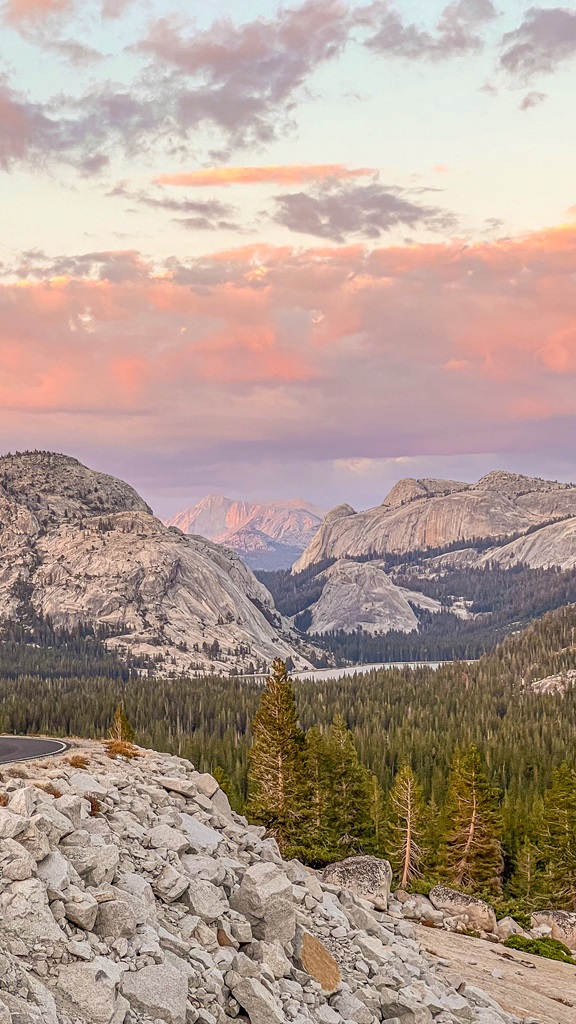
👀 Must-see spots along Tioga Road:
- Olmsted Point
- Tuolumne Meadows
- Tenaya Lake
🚶♀️➡️ Popular hikes along Tioga Road:
- Pothole Dome (1 mile)
- Parsons Lodge and Soda Springs (1.5 miles)
- Lembert Dome and Dog Lake (5.5 miles)
- Elizabeth Lake (5.8 to 7 miles)
- Cathedral Lakes (9.5 to 12 miles)
- Glen Aulin (12 miles)
- Clouds Rest (14.5 miles)
🥾 Explore more of Tuolumne Meadows and Tioga Pass with these hikes!
- Clouds Rest from Sunrise Lakes Trailhead (14.5 miles, challenging)
- Cathedral Lakes (9.5-12 miles, challenging)
- Lembert Dome and Dog Lake (2-4 miles, moderate to challenging)
- May Lake and Mount Hoffmann (2.5-6 miles, moderate to challenging)
- Mono Pass Trail (8 miles, moderate)
- Gaylor Lakes (2.5-4.5 miles, challenging)
- Mount Dana Trail (6 miles, challenging)
9. Rock climb in Yosemite
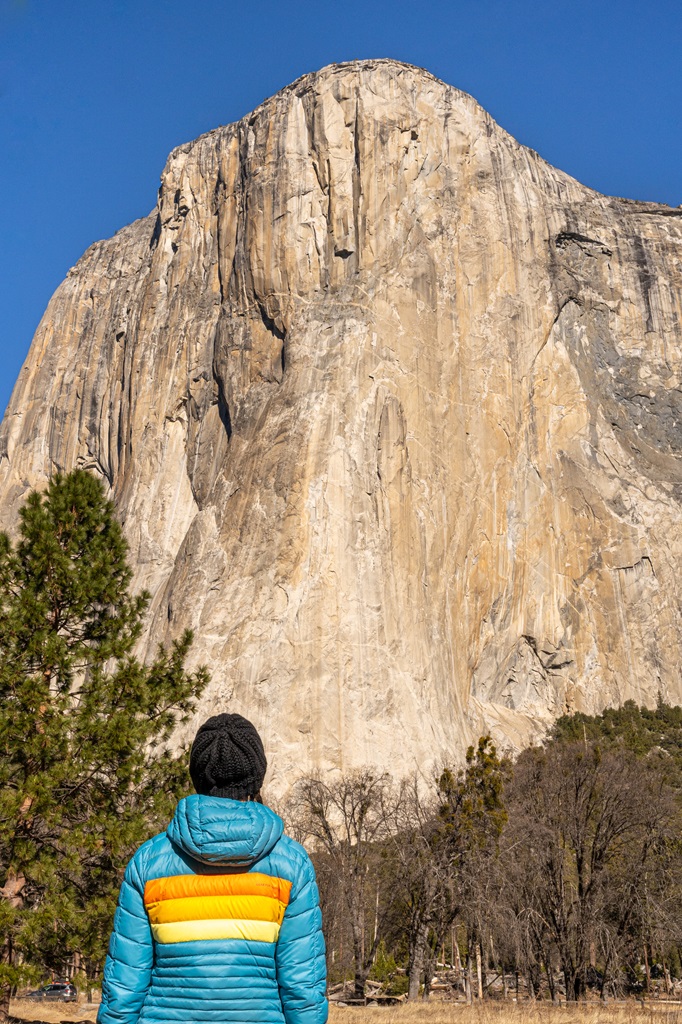
May is an exceptional time for rock climbing in Yosemite, as the mild weather and longer days provide ideal conditions for scaling the park’s legendary granite walls.
From world-famous routes like El Capitan and Half Dome to smaller climbs in Yosemite Valley, there’s something for climbers of all skill levels.
Register for beginner lessons or a guided rock climbing trip through the Yosemite Mountaineering School.
10. Bike in Yosemite Valley
By May, Yosemite Valley’s bike paths are snow-free, making cycling one of the best ways to explore the Valley.
With 12 miles of paved, mostly flat paths, biking offers a scenic, efficient, and eco-friendly alternative to navigating the park by car.
You can rent a bike, bring your own, or take advantage of the bike share program.
Bike rentals are available at Curry Village, Yosemite Village, and Yosemite Valley Lodge.
Planning Your Trip to Yosemite in May
Where to Stay
Yosemite National Park and its surrounding areas offer a wide range of lodging and campground options. However, availability becomes extremely limited by late spring and throughout the summer.
Accommodations within the park are especially in high demand, often booking up within seconds of becoming available. To secure your stay, it’s crucial to plan well in advance!
⚠️ Reservations for lodging in Yosemite are available 366 days in advance. It’s highly recommended to plan as far in advance as possible!
Yosemite Lodging Options
👉 Places to Stay in Yosemite Valley
- Luxury – The Ahwahnee Hotel
- Midrange – Yosemite Valley Lodge
- Budget – Curry Village
👉 Places to Stay Near Yosemite’s South Entrance
- Luxury – Tenaya Lodge
- Midrange – Sierra Sky Ranch
- Budget – Best Western Plus Yosemite Gateway Inn
✨ Is staying at Tenaya Lodge worth it? Read my honest, in-depth Tenaya Lodge review!
👉 Places to Stay Near Yosemite’s Arch Rock Entrance
- Luxury Glamping – AutoCamp Yosemite
- Midrange – Yosemite View Lodge
- Budget – Yosemite Bug Rustic Mountain Resort
👉 Places to Stay Near Yosemite’s Big Oak Flat/Hetch Hetchy Entrance
- Luxury – Rush Creek Lodge at Yosemite
- Midrange – Yosemite Westgate Lodge
- Budget – Berkshire Inn
✨ Having trouble finding the perfect place to stay near Yosemite?
Don’t worry, I got you covered! I created an ultimate guide to help you find a place to stay when visiting Yosemite National Park. I’ve broken everything down by town, organized by the park entrance they’re closest to.
From there, I list different types of accommodations, including hotels, resorts, B&Bs, vacation rentals, campgrounds, and RV parks. Click the button below and explore top-rated places to stay outside of Yosemite, based on your travel style, budget, and the parts of the park you plan to visit!
Yosemite Campgrounds
Reservations are required for all campgrounds inside Yosemite from approximately April through October.
Some campgrounds are open year-round while others are seasonal. Visit Recreation.gov to make reservations.
Year-round campgrounds inside Yosemite 👇
- Upper Pines and Camp 4 in Yosemite Valley
- Wawona Campground (south of Yosemite Valley)
- Hodgdon Meadow Campground (north of Yosemite Valley)
Seasonal campgrounds inside Yosemite (open in May) 👇
- Lower Pines and North Pines in Yosemite Valley
Reservations for these campgrounds listed are made 5 months in advance of your trip dates.
You can reserve a spot at the North Pine Campground either by their lottery system or reserving 5 months in advance if there’s any remaining availability.
⚠️ Find more information about Yosemite’s campgrounds, reservation process, and fees HERE.
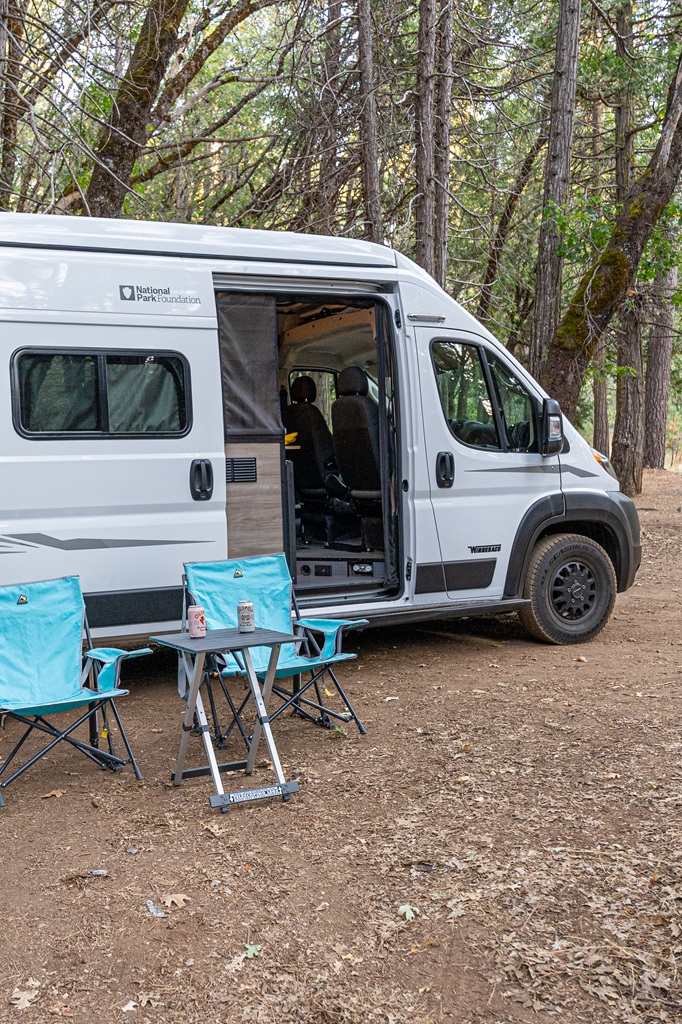
Here’s a list of a few campgrounds outside Yosemite if you can’t reserve a spot inside the park.
Near South Entrance:
Near Arch Rock Entrance:
Near Big Oak Flat and Hetch Hetchy Entrances:
🏕️ Check out the following resources for more camping options: Bureau of Land Management, Forest Service, and Campendium.
Most of the campgrounds listed above are seasonal and open by April or May. Some are first come, first serve and others require a reservation.
Do your research and have a backup plan in case a campground is full!
RV Campgrounds
There are a few campgrounds inside Yosemite that can accommodate RVs, 5th-wheels, and travel trailers.
The maximum RV length is 40 feet and maximum trailer length is 35 feet. Check the maximum length allowed for each campsite.
Visit Recreation.gov to make reservations.
Campgrounds in Yosemite that allow RVs (open in May):
- Upper Pines, Lower Pines, North Pines (Yosemite Valley)
- Wawona Campground (near South Entrance)
- Hodgdon Meadow Campground (near Big Oak Flat Entrance)
⚠️ Electrical, water, and sewer hookups are not available in Yosemite.
Dump stations (with fresh water) are available at Upper Pines Campground (all year) and near Wawona Campground (summer only).
Generator use is allowed between 7 to 9 AM, 12 to 2 PM, and 5 to 7 PM.
RV sites inside Yosemite will sell out just as quickly as tent sites. If you didn’t get a spot inside the park, there are plenty of options outside Yosemite.
🏞️ Near South Entrance:
🪨 Near Arch Rock Entrance:
🌳 Near Big Oak Flat and Hetch Hetchy Entrances:
I only listed a few examples of RV parks outside Yosemite just to give you an idea of what’s out there. I recommend doing more research on all the RV parks in the area and plan in advance!
Transportation
Getting to Yosemite
Most people rent a vehicle or drive their own to reach Yosemite. It’s the most convenient option. However, beware of potential traffic jams and congested areas when you enter the park.
This usually won’t happen until late May (especially around Memorial Day weekend). If you’re going with friends or family, carpool if possible!
Another great option is the utilize a public transportation system known as Yosemite Area Regional Transportation System, or YARTS for short. Visit their website to learn more about the routes, schedules, and ticket fares.
Once Inside Yosemite
There are several transportation methods for exploring Yosemite National Park, particularly Yosemite Valley. In early May, parking is generally easier to find.
However, as mid to late May ushers in the start of the peak season, navigating Yosemite (especially Yosemite Valley) requires strategic planning.
Parking spots can fill up quickly, so it’s important to plan ahead! Here’s a closer look at the four primary ways to get around Yosemite Valley.
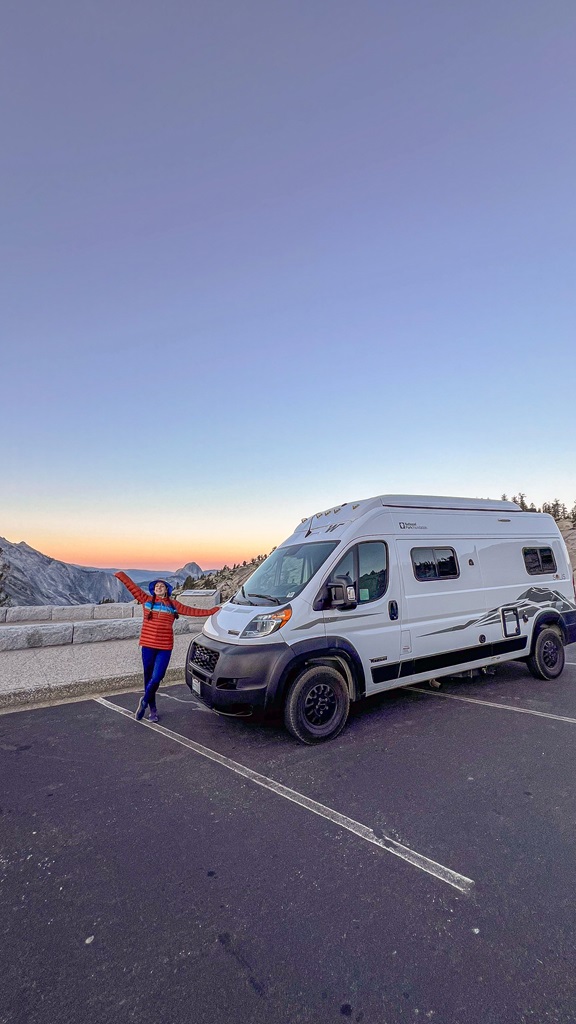
1. Explore Yosemite by car: Driving a car is the most convenient option during the off-season (early May).
However, when peak season arrives (mid to late May), find a parking spot as early as possible.
Keep your car parked in that spot for the rest of the day and use the other options below to get around Yosemite.
Public parking in Yosemite Valley is located at:
2. Utilize Yosemite’s shuttle system: The Yosemite Valley Shuttle System is a convenient and free way to explore the Valley. As peak season rolls around (mid to late May), expect longer lines and wait times.
In addition to the Valley Shuttle, Yosemite offers several seasonal shuttles, including the Mariposa Grove Shuttle and Glacier Point Tour (these options may or may not be open during your visit in May).
3. Bike in the valley: Biking in Yosemite Valley is a great option! I wish we could have tried it during our trips, but we don’t own bikes right now.
Don’t have your own bike either? No worries! Bikes can be rented in Yosemite Valley at Curry Village, Yosemite Village, or Yosemite Valley Lodge.
Bike rentals go quickly during peak season, so if you can, bring your own bike.
Yosemite Valley features 12 miles of scenic, paved bike paths to explore. E-bikes and electric scooters are also allowed but be sure to follow the park’s rules.
Also, there’s a convenient Bike Share Program worth checking out!
4. Explore Yosemite by foot: Walking is the easiest and less stressful way to get around Yosemite because you don’t have to worry about finding parking, catching the shuttle bus on time, or finding a spot to safely put your bike.
Yosemite National Park is huge so walking around the entire park is not realistic, especially if you want to get from Yosemite Valley to another section of the park.
That’s a lot of miles! Thankfully, you can combine all the transportation options.
For example, park your car at any of the public parking lots in Yosemite Valley, walk (or bike) to nearby trailheads, then take the shuttle bus to spots further away and back to your car.
Essential Tips for Visiting in May
- Check the current conditions (road closure status and trail conditions).
- Pack extra layers as the weather in May can be unpredictable (warm days, chilly mornings/evenings).
- Book accommodations as far in advance as possible!
- Arrive early to beat the crowds (try to be at the park’s entrance by 8 AM).
- Be prepared to pay an entrance fee (unless you have the America the Beautiful Pass).
- You may need a reservation (depending on what day you visit).
- Don’t miss out on seeing Yosemite’s waterfalls during this month.
- Trails may be muddy due to snow melt, so make sure to wear waterproof hiking shoes or boots with good traction.
- Utilize the free Yosemite Valley Shuttle System to avoid parking hassles.
- Bears are active in May – store food/scented items properly and follow bear safety guidelines (bear spray in Yosemite is prohibited).
- Explore the lesser-visited areas, such as Hetch Hetchy and Wawona.
- If you plan on hiking at higher elevations, bring winter gear in case of snowy conditions.
- Follow Leave No Trace principles to help preserve Yosemite’s natural beauty.
What to Bring
🎟️ Entrance Pass – You will need to purchase an entrance pass once you reach the entrance station or you can buy the America the Beautiful Pass ahead of time and use that for the entire year.
📆 Reservation – Depending on when you plan to visit Yosemite, you may need a reservation.
👚 Layers of Clothing (top) – Pack a moisture-wicking base layer, a fleece mid-layer, an insulated jacket, and an outer shell to protect you from the elements, such as rain and wind. You may not need all these layers, especially in the summer months, but it’s always best to be over-prepared!
Check out my favorite tops 👇
- Base layer: REI Co-op Sahara Shade Hoodie (warm/mild conditions) and REI Co-op Midweight Long-Sleeve Base Layer (cooler conditions)
- Fleece mid layer: Cotopaxi Teca Fleece Full-Zip Jacket
- Down mid layer: Cotopaxi Fuego Hooded Down Jacket
- Outer shell: In the summer I always pack a light windbreaker, such as the Cotopaxi Teca Crop Windbreaker or the RevolutionRace Unit Light Windbreaker. Make sure to also pack a waterproof rain jacket – I like the Patagonia Torrentshell 3L Jacket.
🩳 Hiking Shorts or Pants – Pack a comfortable, durable, and stretchy pair of hiking shorts or pants. Also think about what conditions you might run into, such as warm or cold temperatures, wind and/or rain, bugs, and overgrown trails.
Check out my favorite hiking bottoms 👇
- Cotopaxi Losdos Zip-Off Pants
- RevolutionRace Breezy Ankle Outdoor Pants
- Baleaf Fleece-Lined Jogger Pants
- RevolutionRace Summit Pocket Tights
- Revolution Race Hike & Dive Shorts
🥾 Hiking Footwear – Bring a good pair of hiking boots or shoes with good traction. If I’m not expecting to hike in too much mud or snow, my go-to hiking shoes are the Altra Lone Peak trail runners. They have a wide-toe box, 0 mm heel-to-toe drop, and MaxTrac rubber outsole. Plus, they’re lightweight and so comfy!
🧦 Socks – Moisture-wicking, quick-drying socks are the way to go. My favorite pair of hiking socks are Darn Tough Hiker Micro Crew Cushion Socks. Always pack an extra pair!
🎒 Day Pack – What you plan to do (sightseeing, hiking, etc.), determines what size pack you’ll need. Here is what I typically bring based on what I’m doing that day 👇
- Short walks and sightseeing: Cotopaxi Kapai 1.5L Del Dia Hip Pack
- Short, easy to moderate day hikes: REI Co-op Flash 22L Pack
- Long, moderate to challenging day hikes: REI Co-op Trail 25L Pack or Cotopaxi Luzon Del Dia 24L Pack
🥢 Trekking Poles – Essential for stability, balance, and support when hiking trails, especially on tough, rocky, and uneven terrain. I use REI Co-op Trailmade Trekking Poles and love them!
❄️ Microspikes – Bring a pair of microspikes if you’re visiting in the winter and you’re planning to hike along icy trails. They will give you good traction to avoid slipping! I use Black Diamond Access Spike Traction Device.
🦟 Mosquito/Bug Repellants – In the warmer months, be prepared for annoying gnats, mosquitoes, and flies. Wear long-sleeve clothing, a head net, and use bug spray.
🧤 Extra Warm Layers – If you expect cooler conditions or hiking to higher elevations, make sure to pack extra layers for added warmth, such as gloves, beanie, neck gaiter, and a light jacket.
🗺️ Navigation – Carry a physical topographic map, compass, a satellite messenger (or personal locator beacon), and download offline maps to help you stay on course, find your way in unfamiliar terrain, and call for help if needed.
🔦 Headlamp/Flashlight – A reliable light source with extra batteries, in case you end up hiking in the dark or need it for emergency situations.
💧 Water – Water bottles to carry sufficient water to stay hydrated, along with a filtration system or purification tablets if you plan to refill from natural sources.
🍕 Food – Energy-rich snacks or meals to keep your energy levels up during the hike.
😎 Sun Protection – Sunscreen, sunglasses, and a sunhat to protect yourself from harmful UV rays, even when it’s cloudy. Also, polarized sunglasses are important when it’s bright outside and to reduce glare from reflective surfaces like water, snow, and roads.
🩹 First-Aid Kit – A basic first-aid kit with items like bandages, antiseptic, pain relievers, and any personal medications you may need.
🥶 Emergency Shelter – Pack an emergency bivy sack or space blanket for shelter in case of sudden weather changes.
🔥 Fire – A lighter, matches, or fire starter to help you build a fire for warmth or signaling in case of emergency. Along with matches, I also carry a multi-tool carabiner that has a fire starter, utility blade, screwdriver, and bottle opener.
🗡️ Multi-Tool and Repair Kit – A versatile tool/knife and repair kit to handle any task, from preparing food to making repairs.
Conclusion
Visiting Yosemite in May is an experience like no other. I cannot recommend it enough!
The park comes alive with the sights and sounds of spring, such as waterfalls cascading at their peak, wildflowers blooming in vibrant colors, and wildlife emerging as the snow melts away.
The quieter trails and cooler temperatures make this an ideal time to explore everything Yosemite has to offer.
If this guide inspires you to visit Yosemite in May, I’d love to hear about your adventure. Leave a comment and share your experience!
🤩 Yosemite Trip Planning Resources
- 1-Day Yosemite Itinerary for First-Time Visitors
- Where to Stay Outside of Yosemite (best places in 2026)
- 13 Best Hikes in Yosemite Valley You Can’t Miss!
- Best Spots to Find Giant Sequoia Trees in Yosemite
- 10 Must-Do Easy Hikes in Yosemite for All Skill Levels
- Hetch Hetchy Hikes: Explore This Hidden Gem
- Best Yosemite Waterfall Hikes: Complete Guide
- Ultimate Guide to Visiting Yosemite in May
- Is Tioga Pass Open? Plan an Epic Trip with This Guide
- 12 Best Tioga Pass Hikes for Adventure Lovers
Enjoyed this post? Pin for later!