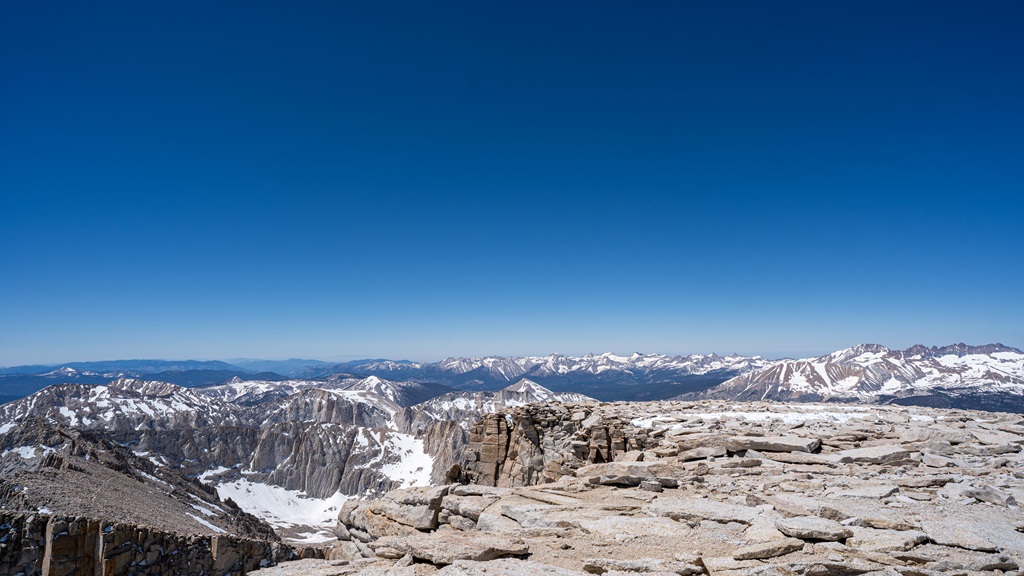
The hike to Lone Pine Lake in the Eastern Sierra is an exhilarating adventure that offers breathtaking scenery at every turn. 😍
Starting at an elevation of 8,365 feet, you’ll embark on a challenging ascent that leads you to the stunning alpine lake that sits around 10,000 feet.
As you navigate a series of switchbacks, each step rewards you with increasingly spectacular views. After about three miles of hiking, you’ll finally reach Lone Pine Lake.
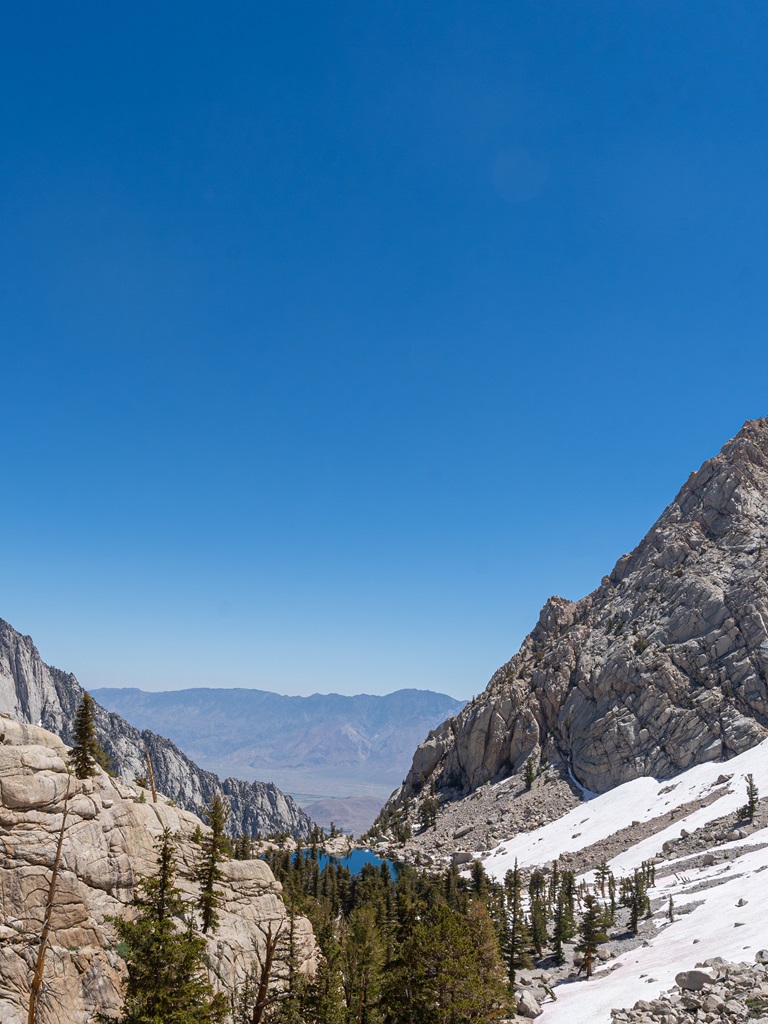
The crystal-clear water surrounded by towering peaks makes for a perfect place to hang out and relax. It’s also a great acclimatization hike if preparing to summit Mt. Whitney.
Read my complete guide to learn everything you need to know to hike the Mt. Whitney Trail to Lone Pine Lake! 🙌
Affiliate Disclaimer: Some links on this page may be affiliate links, meaning I may earn a small commission at no extra cost to you. As an Amazon Associate, I earn from qualifying purchases. Thanks for supporting the blog! 🫶
Lone Pine Lake: Trail Stats and Map
Lone Pine Lake Trail Stats
Starting Point: Mt. Whitney Trailhead
Length: 6 miles
Elevation Gain: 1,700 feet
Hiking Time: 3 to 4 hours
Route Type: Out-and-back
Difficulty Rating: Moderate to hard
Pet-friendly? Yes, must be on leash
Hike Features: Views along the trail, log bridge, and Lone Pine Lake
To reach Lone Pine Lake, you will be hiking along the famous Mt. Whitney Trail. The entire length of the trail (past Lone Pine Lake) offers an exhilarating challenge, climbing over 6,000 feet in just 11 miles.
When the snow melts away, it provides a strenuous yet non-technical route to the summit of Mt. Whitney, making it accessible for dedicated hikers.
✨ READ THIS: Learn how to hike Mt Whitney in a day!
Lone Pine Lake Trail Map
Lone Pine Lake Trailhead and Parking
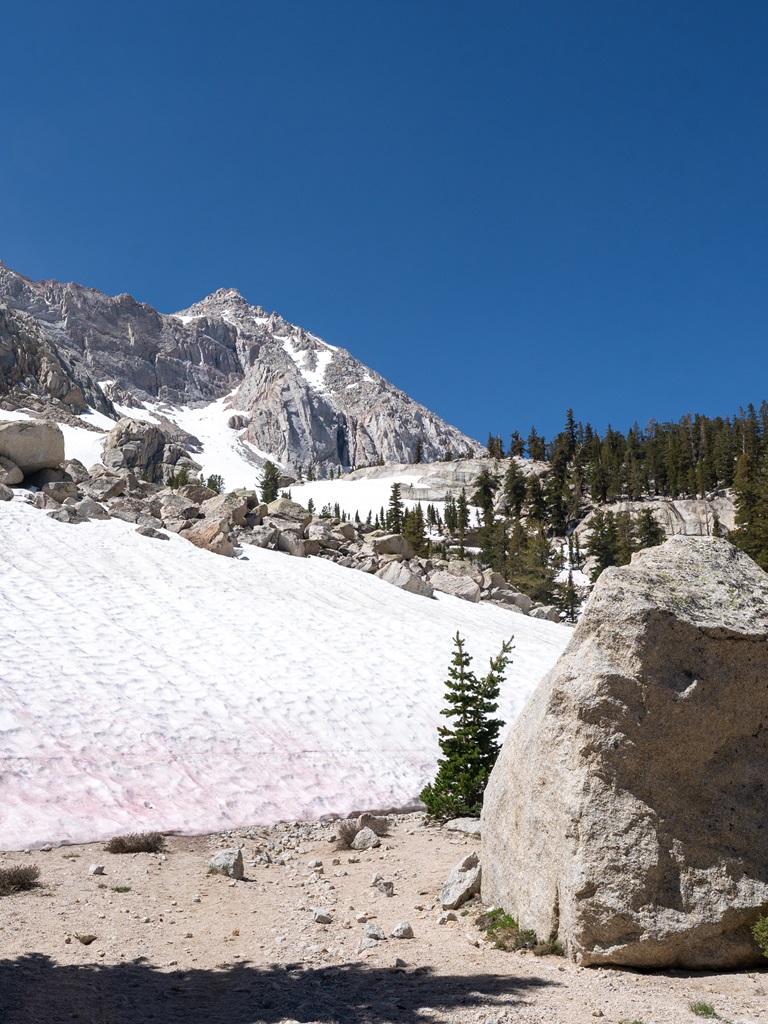
The Lone Pine Lake Trailhead is located within the Whitney Portal Area, just 13 miles west of Lone Pine, at the end of the scenic Whitney Portal Road.
The parking area is pretty big but can still fill up quickly! Make sure to arrive early to secure a parking spot.
Be sure to read the signs! Some parking spots are for day-use only and others are for overnight campers.
Whitney Portal Area
The Whitney Portal Area a beautiful spot within a heavily wooded canyon surrounded by towering granite cliffs.
You’ll find three campgrounds, a nice picnic area, a fishing pond, and a store.
From Whitney Portal, you can access stunning trails leading into the John Muir Wilderness and Sequoia National Park.
Best Time to Hike Lone Pine Lake
The best time to hike to Lone Pine Lake varies from late spring, throughout summer, and into early fall. Typically, late May through mid-October.
⚠️ Check the trail conditions before you go, as weather can vary, especially during spring and fall!
🌷 Late Spring (May): In late spring, average temperatures at Whitney Portal typically range from the mid-50s to mid-70s°F (about 13-24°C) during the day. Temperatures during the night can get into the 30s to low 40s°F (around 1-7°C).
This time of year can bring variable weather, so it’s a good idea to prepare for both warmer daytime conditions and cooler nights, as well as the possibility of lingering snow at higher elevations.
☀️ Summer (June – August): Due to being at higher elevation, summer months showcase beautiful wildflowers, and the Mt. Whitney Trail is mostly snow-free.
Also, the average temperatures at Whitney Portal typically range from the mid-60s to mid-80s°F (around 18-30°C) during the day. Nights can be cooler, often dropping into the 40s°F (around 4-9°C).
The pleasant daytime temperatures make it a great time for hiking and exploring the area, but it’s wise to bring layers for the cooler evenings.
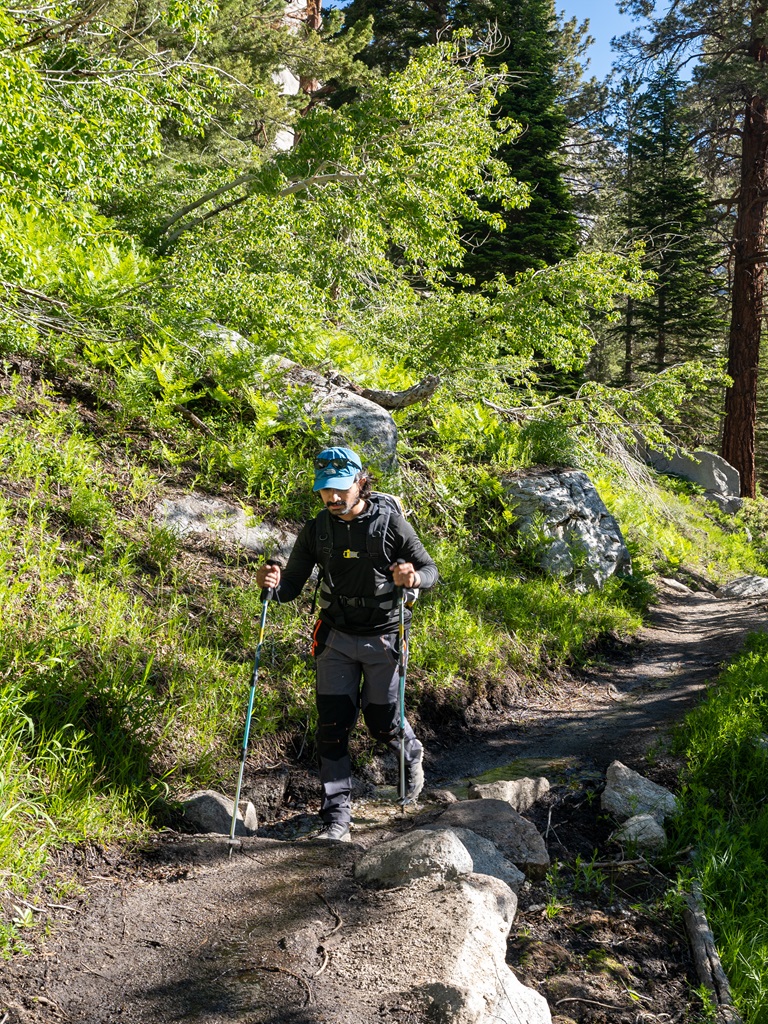
🍂 Early to Mid-Fall (September – October): During early fall, average temperatures at Whitney Portal typically range from the mid-60s to low 70s°F (around 18-24°C) during the day.
Nights can get cooler, often dipping into the 30s to low 40s°F (about 1-7°C).
This season usually brings crisp, clear days and stunning fall colors, making it a lovely time for hiking and enjoying the outdoors.
☃️ Late Fall, Winter, and Spring (November – April): Whitney Portal Road typically closes from November to April (sometimes early May) due to snow and adverse weather conditions.
During this time, access to the Whitney Portal Area, including the trailheads for Mt. Whitney and Lone Pine Lake, is restricted.
⚠️ If you’re planning a trip during these months, it’s essential to check for updates on road conditions and closures.
Due to road closure, you will have to add extra miles to your hike to Lone Pine Lake, depending on how much of the Whitney Portal Road is closed.
Winter hiking in the area can be challenging and requires proper gear and skills due to snow and ice. Always prioritize safety and be prepared for changing conditions!
Lone Pine Lake Trail Directions
Lone Pine Lake Trailhead
Begin hiking from the trailhead underneath a wooden arch that has helpful and informative posters attached.
Creek Crossings and Switchbacks
You will cross over a small stream known as Carillon Creek.
Soon after that one, there will be another creek crossing (North Fork Lone Pine Creek) which can be a bit more difficult to cross depending on how high the water levels are.
Typically, it can easily be crossed by rock-hopping!
Continue along the trail and you will see a sign that says, “John Muir Wilderness – Inyo National Forest”.
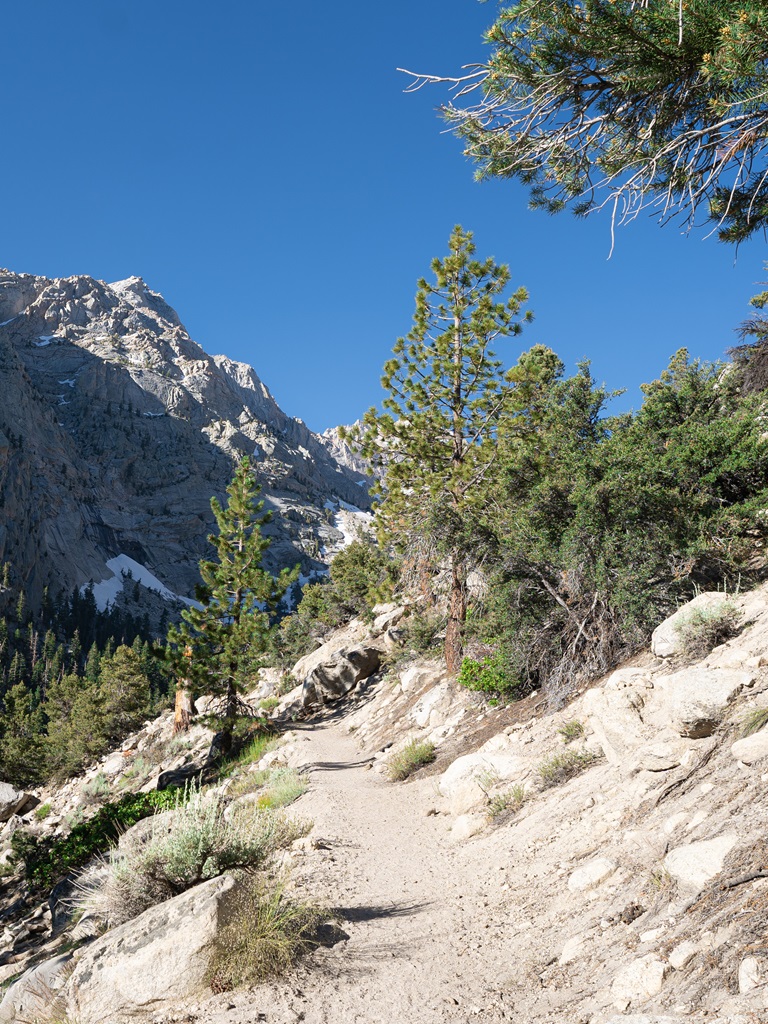
From here, the ascent becomes steeper as you tackle some switchbacks. Is the altitude hitting you yet?
Log Bridge
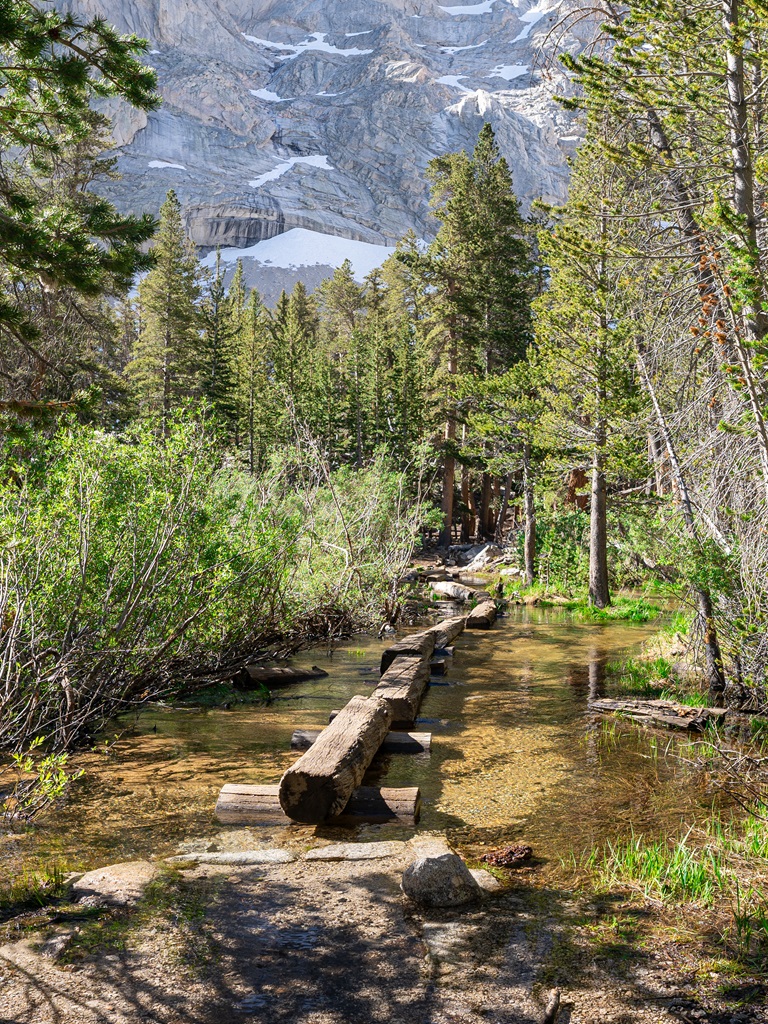
After about 2.5 miles of hiking, you will reach the last creek crossing (Lone Pine Creek). This is a fun one!
A log bridge has been carefully built and placed to safely cross the creek without getting your feet wet.
Lone Pine Lake
Next, you will reach a junction in the trail where the Mt. Whitney Trail continues to the right towards Mt. Whitney.
To reach Lone Pine Lake, take a left and you will see the lake simmering in the sun through the trees. Well, if it’s sunny.
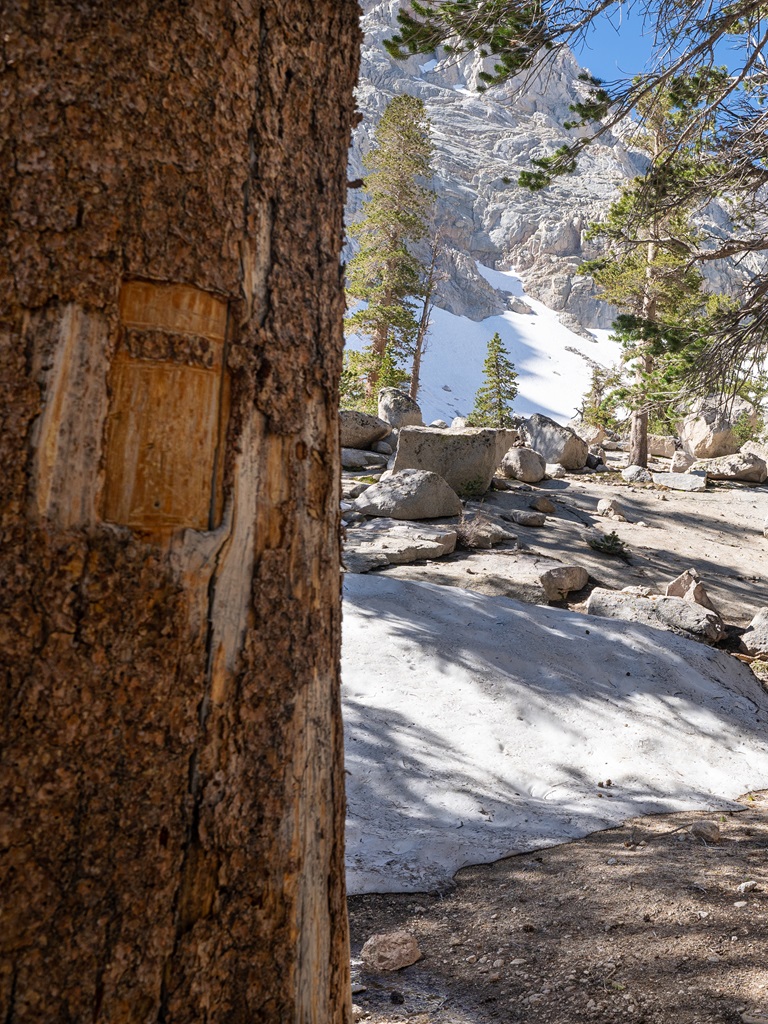
Isn’t it beautiful? The crystal-clear water of Lone Pine Lake with its reflections of the granite mountains towering above.
Take a break and enjoy the views. Let your body slow down and adapt to 10,000 feet of elevation if you’re not already used to it.
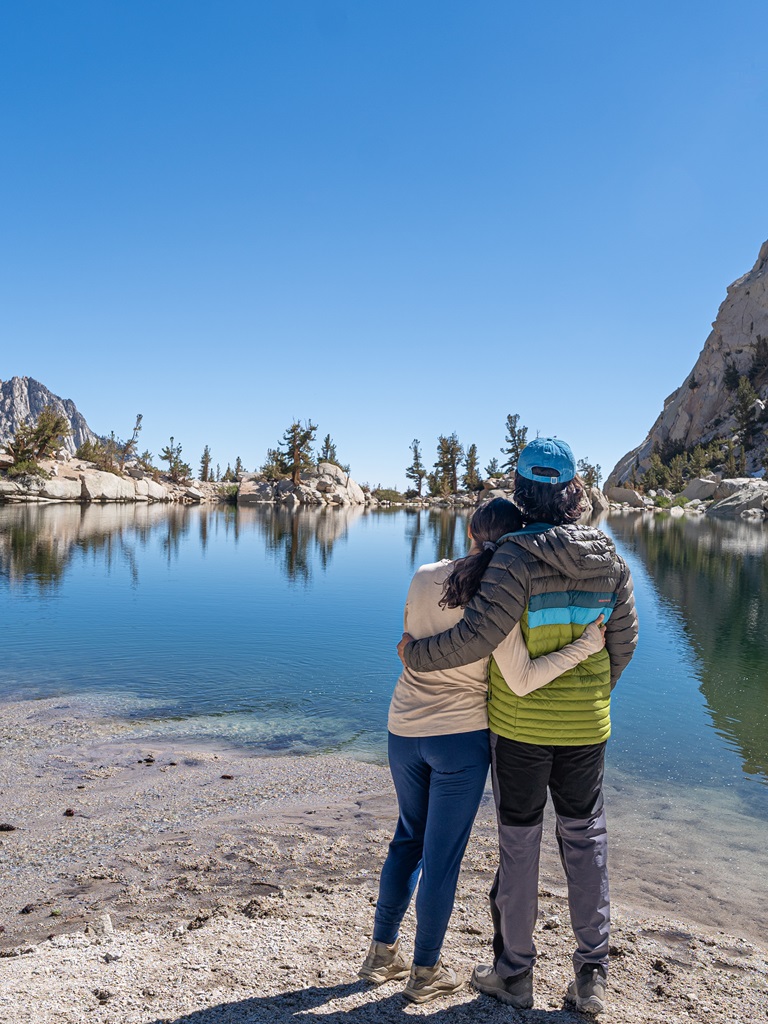
Remember, you can’t hike past Lone Pine Lake along the Mt. Whitney Trail without a permit!!
To return to the trailhead, simply retrace your steps. Congrats, you did it! 🥳
Tips for Hiking Lone Pine Lake
1. Start Early: Beat the crowds and enjoy cooler temperatures by starting your hike early in the morning, especially during peak season.
2. Bring Plenty of Water and Snacks: Carry plenty of water to stay hydrated, especially in the summer. Also, bring high-energy snacks to refuel and help maintain your energy during the hike.
3. High Altitude: The Whitney Portal Area sits at 8,365 feet above sea level, and Lone Pine Lake sits at 10,000 feet. If you are not used to being this high in elevation, you could experience altitude sickness symptoms which can progress into a serious situation!
Make sure you know the symptoms, acclimate properly, and turn around and return to lower elevation if needed.
4. Whitney Portal Road (Winter Closure): Closure of the Whitney Portal Road occurs in November and lasts until late April or early May, depending on the amount of snowfall and conditions.
⚠️ Check for updates on the road conditions HERE.
5. Respect Nature: Follow Leave No Trace principles – plan ahead, pack out all trash, avoid disturbing wildlife, be considerate of others, and respect the natural beauty of California’s Eastern Sierra.
6. Active Bear Area: Historically, the Whitney Portal Area has seen a significant amount of bear activity, so it’s important to be bear-aware during your visit.
If camping or day-hiking, all food and scented items must be stored securely in the bear-proof lockers (or carried with you in your backpack). Trash must be disposed of properly in the trash cans conveniently located in the parking areas.
If backpacking in the wilderness, it is strongly recommended to store food and scented items in bear-resistance containers. In certain locations, it is mandatory to use a bear-resistant container.
Taking these precautions helps keep both you and the bears safe, ensuring a positive experience for everyone recreating in the wilderness!
Hiking Lone Pine Lake Packing List
👚 Layers of Clothing (top) – Pack a moisture-wicking base layer, a fleece mid-layer, an insulated jacket, and an outer shell to protect you from the elements, such as rain and wind. You may not need all these layers, especially in the summer months, but it’s always best to be over-prepared!
Check out my favorite tops 👇
- Base layer: REI Co-op Sahara Shade Hoodie (warm/mild conditions) and REI Co-op Midweight Long-Sleeve Base Layer (cooler conditions)
- Fleece mid layer: Cotopaxi Teca Fleece Full-Zip Jacket
- Down mid layer: Cotopaxi Fuego Hooded Down Jacket
- Outer shell: In the summer I always pack a light windbreaker, such as the Cotopaxi Teca Crop Windbreaker or the RevolutionRace Unit Light Windbreaker. If cold, windy, and rainy conditions are in the forecast (or there’s a slight possibility), I make sure to pack my Patagonia Torrentshell 3L Jacket.
🩳 Hiking Shorts or Pants – Pack a comfortable, durable, and stretchy pair of hiking shorts or pants. Also think about what conditions you might run into, such as warm or cold temperatures, wind and/or rain, bugs, and overgrown trails.
Check out my favorite hiking bottoms 👇
- Cotopaxi Losdos Zip-Off Pants
- RevolutionRace Breezy Ankle Outdoor Pants
- Baleaf Fleece-Lined Jogger Pants
- RevolutionRace Summit Pocket Tights
- Revolution Race Hike & Dive Shorts
🥾 Hiking Footwear – Bring a good pair of hiking boots or shoes with good traction. If I’m not expecting to hike in too much mud or snow, my go-to hiking shoes are the Altra Lone Peak trail runners. They have a wide-toe box, 0 mm heel-to-toe drop, and MaxTrac rubber outsole. Plus, they’re lightweight and so comfy!
🧦 Socks – Moisture-wicking, quick-drying socks are the way to go. My favorite pair of hiking socks are Darn Tough Hiker Micro Crew Cushion Socks. Always pack an extra pair!
🎒 Day Pack – What you plan to do (sightseeing, hiking, etc.), determines what size pack you’ll need. Here is what I typically bring based on what I’m doing that day 👇
- Short walks and sightseeing: Cotopaxi Kapai 1.5L Del Dia Hip Pack
- Short, easy to moderate day hikes: REI Co-op Flash 22L Pack
- Long, moderate to challenging day hikes: REI Co-op Trail 25L Pack or Cotopaxi Luzon Del Dia 24L Pack
🥢 Trekking Poles – Essential for stability, balance, and support when hiking trails, especially on tough, rocky, and uneven terrain. I use REI Co-op Trailmade Trekking Poles and love them!
❄️ Microspikes – Bring a pair of microspikes if you’re visiting in the winter and you’re planning to hike along icy trails. They will give you good traction to avoid slipping! I use Black Diamond Access Spike Traction Device.
🦟 Mosquito/Bug Repellants – In the warmer months, be prepared for annoying gnats, mosquitoes, and flies. Wear long-sleeve clothing, a head net, and use bug spray.
🧤 Extra Warm Layers – If you expect cooler conditions or hiking to higher elevations, make sure to pack extra layers for added warmth, such as gloves, beanie, neck gaiter, and a light jacket.
🗺️ Navigation – Carry a physical topographic map, compass, a satellite messenger (or personal locator beacon), and download offline maps to help you stay on course, find your way in unfamiliar terrain, and call for help if needed.
🔦 Headlamp/Flashlight – A reliable light source with extra batteries, in case you end up hiking in the dark or need it for emergency situations.
💧 Water – Water bottles to carry sufficient water to stay hydrated, along with a filtration system or purification tablets if you plan to refill from natural sources.
🍕 Food – Energy-rich snacks or meals to keep your energy levels up during the hike.
😎 Sun Protection – Sunscreen, sunglasses, and a sunhat to protect yourself from harmful UV rays, even when it’s cloudy. Also, polarized sunglasses are important when it’s bright outside and to reduce glare from reflective surfaces like water, snow, and roads.
🩹 First-Aid Kit – A basic first-aid kit with items like bandages, antiseptic, pain relievers, and any personal medications you may need.
🥶 Emergency Shelter – Pack an emergency bivy sack or space blanket for shelter in case of sudden weather changes.
🔥 Fire – A lighter, matches, or fire starter to help you build a fire for warmth or signaling in case of emergency. Along with matches, I also carry a multi-tool carabiner that has a fire starter, utility blade, screwdriver, and bottle opener.
🗡️ Multi-Tool and Repair Kit – A versatile tool/knife and repair kit to handle any task, from preparing food to making repairs.
💩 Waste Disposal Supplies – WAG bags, trowel, toilet paper, pee cloth, wipes, Ziploc bags – be sure to pack out everything!
Camping Options
🏕️ Nearby Campgrounds
1. Lone Pine Campground is located about 7 miles from the Whitney Portal Area. This campground has 42 single campsites, 1 double site, and 1 walk-in group site.
Some sites may be available at a first come, first serve basis. Standard sites are $37 per night and the group site is $80 per night.
Reserve your campsite at Recreation.gov!
2. Mt. Whitney Trailhead Campground is located in the “ravine” on the east side of the overflow parking lot at the Whitney Portal Area.
These campsites are walk-in only, and there is a one-night stay limit! The campsites are $22 per night.
Instructions on how to pay can be found on the bulletin board at the campground entrance or see the camp host.
3. Whitney Portal Campground is located within the Whitney Portal Area. This campground has 43 single campsites.
Some sites may be reserved in advance, while others are available on a first-come, first-serve basis. The sites are $32 per night.
Reserve your campsite at Recreation.gov!
🥾 Overnight Permit
Hiking to the summit of Mt. Whitney via the Mt. Whitney Trail requires a permit.
HOWEVER, hiking to Lone Pine Lake via the Mt. Whitney Trail does NOT require a permit! Yay!
BUT, if you want to camp at Lone Pine Lake, you must acquire an overnight permit.
Conclusion
Hiking to Lone Pine Lake is an unforgettable experience, blending breathtaking natural beauty with a manageable challenge for outdoor enthusiasts.
Nestled in the shadow of Mount Whitney, this serene alpine lake offers the perfect escape, surrounded by towering peaks and pristine wilderness.
Make sure to add this incredible adventure to your itinerary the next time you explore California’s stunning Eastern Sierra!
If this guide inspires you to hike to Lone Pine Lake, I’d love to hear about your adventure. Leave a comment and share your experience!
📌 Enjoyed this post? Pin for later!
🏞️ Explore more incredible places in California!